
Silver-infused sheets represent one of the most notable innovations in bedding over the past decade. These aren’t your grandmother’s sheets with actual silver thread woven through them. Modern silver-infused sheets use microscopic silver particles embedded in fabric fibers to help fight bacteria, control odors, and keep your bed fresher for a longer period.
The technology sounds futuristic, but silver’s antimicrobial properties have been recognized for centuries. Ancient Greeks stored water in silver vessels to help keep it fresh. Hospitals used silver-based treatments before antibiotics existed. Now, that same bacteria-fighting power is built into your bedding.
This guide covers everything you need to know about silver-infused sheets and whether they’re worth your investment.
What Are Silver-Infused Sheets?
Silver-infused sheets are regular bed linens with microscopic silver particles embedded into the fabric fibers. The manufacturing process bonds silver to fibers during production or applies it to finished fabric.
The silver isn’t visible — your sheets look and feel like normal bedding. The difference happens at the microscopic level, where bacteria meet silver. The silver concentration stays incredibly low, typically 0.1-1% of total fabric weight. This small amount may provide antibacterial action without compromising comfort.
Quality silver-infused sheets are designed to maintain their antibacterial properties through hundreds of wash cycles. The silver becomes a permanent part of your sheets rather than a coating that washes off immediately.
According to research on silver textile applications, silver concentrations as low as 0.1% may effectively reduce bacterial growth by 99.9% on fabric surfaces.
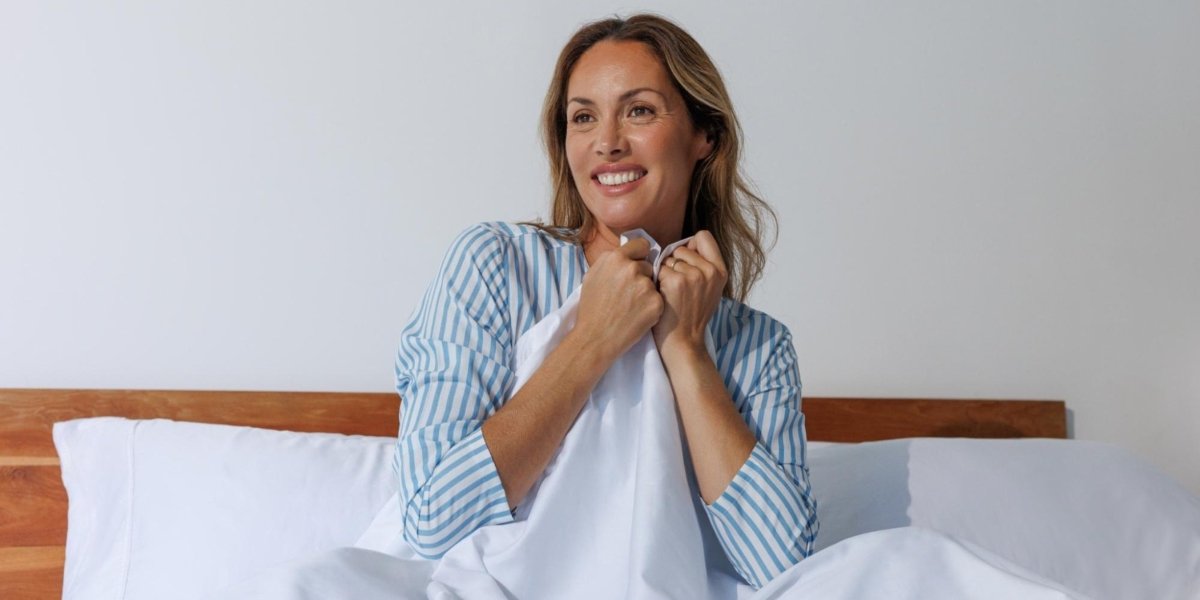
Quality bedding incorporates silver technology to promote superior cleanliness and freshness.
How Do Silver-Infused Sheets Actually Work?
Understanding the science behind silver-infused sheets helps you appreciate why they may outperform regular bedding. The mechanism is surprisingly elegant once you break it down.
The Silver Ion Release Process
When moisture contacts your sheets — from sweat, humidity, or washing — tiny silver ions are released from the embedded particles. These positively charged ions seek out negatively charged bacteria like magnets. Once they make contact, several things can happen simultaneously.
Silver ions penetrate bacterial cell walls and disrupt multiple internal processes. They interfere with cellular respiration, prevent reproduction, and ultimately shut down the bacteria’s ability to function. The bacteria can’t repair this damage or adapt to it.
Why Bacteria Can’t Develop Resistance
Here’s what makes silver special compared to antibiotics. Bacteria develop resistance to antibiotics by mutating specific cellular processes that drugs target. Silver attacks bacteria on multiple fronts simultaneously — cell walls, DNA, enzymes, and metabolic processes.
For bacteria to resist silver, they’d need to fundamentally change their entire cellular structure. That’s highly unlikely. This is why silver may remain effective even against antibiotic-resistant superbugs like MRSA.
The silver stays bonded to fabric fibers rather than washing away completely. Small amounts are released continuously with each use, providing continuous protection between washes.
Benefits Of Silver-Infused Sheets
Silver-infused sheets offer multiple advantages beyond just fighting bacteria. These benefits can add up to create a noticeably better sleep experience and easier bedding maintenance.
The main advantages that make silver-infused sheets stand out include:
- Bacterial reduction by 99.9% compared to untreated fabric
- Odor prevention from eliminating smell-causing bacteria at the source
- Extended freshness, allowing 2-3 weeks between washes
- Allergy relief through a potential reduction in dust mite populations
- Acne improvement from cleaner pillowcases that may fight breakout bacteria
- Environmental benefits from less frequent washing
Regular sheets become bacterial breeding grounds within days of washing. You’re likely sleeping in a petri dish by the end of the week. Silver-infused sheets are designed to maintain dramatically lower bacterial counts between washes through consistent protection.
Traditional bedding wisdom says to wash sheets every week for decent hygiene. That’s 52 loads of laundry annually just for bed linens. Silver-infused sheets can extend this timeline to 2-3 weeks while maintaining freshness. This results in 17-26 loads instead of 52 yearly.
Dust mites thrive in regular bedding, feeding on bacteria and dead skin cells. Their waste products are known to trigger allergies and asthma symptoms. Silver-infused sheets reduce the bacteria that dust mites eat, making your bed less conducive to these pests.
According to textile hygiene research, antimicrobial bedding may significantly reduce allergen exposure during sleep.
Consider towels with silver technology for comprehensive bathroom hygiene.
How To Care For Silver-Infused Sheets
Proper care preserves the silver’s antibacterial properties while keeping your sheets comfortable. The good news is that caring for silver-infused sheets isn’t complicated or time-consuming.
Washing Best Practices
Wash silver-infused sheets in cold or warm water using gentle cycles. Hot water isn’t necessary because the silver handles bacteria regardless of temperature. Lower temperatures might actually help preserve the silver bonds to fabric fibers.
Use mild, liquid detergent without harsh additives or optical brighteners. These chemicals could interfere with silver’s antibacterial action over time. Skip the fabric softener entirely — it coats fibers and reduces both silver effectiveness and natural fabric breathability.
Avoid chlorine bleach completely. The harsh chemical can damage silver bonds and degrade fabric quality. Oxygen bleach works fine occasionally if you need extra whitening power for stains.
Drying And Storage Guidelines
Tumble dry on low heat or air dry for best results. High heat doesn’t damage silver directly, but can weaken fabric fibers over time. Remove sheets promptly when the cycle finishes to minimize wrinkles.
Store silver-infused sheets in cool, dry places with good air circulation. Avoid plastic storage containers that trap moisture and create conditions for mold growth. Breathable cotton storage bags work perfectly for seasonal sheet rotation.
The silver remains active even during storage, preventing any musty odors from developing. You can pull out sheets after months in the closet, and they’ll still smell fresh.
Quality cooling sheets with silver technology can maintain freshness through proper care.
How To Choose Quality Silver-Infused Sheets
Not all silver-infused sheets deliver equal performance or value. Understanding quality indicators can help you identify products worth your investment.
Key factors to evaluate when shopping for silver-infused sheets:
- Silver application method (embedded during production is generally better than surface coating)
- Third-party laboratory testing proving antibacterial effectiveness
- Certifications from organizations like OEKO-TEX for safety
- Base fabric quality, including thread count and fiber type
- Manufacturer transparency about technology and processes
- Realistic pricing reflecting genuine technology investment
The best silver-infused sheets have silver embedded during fiber production rather than applied as a surface coating. Embedded silver lasts much longer through repeated washing. Surface treatments may wear off after 30-50 washes, while embedded silver maintains effectiveness for years.
Look for third-party laboratory testing proving antibacterial effectiveness. Real test results show specific bacterial reduction percentages achieved. Marketing claims without testing data can exaggerate actual performance.
Silver technology only works if the base fabric provides comfort and durability. Check thread count, fiber type, and weave quality beyond just the silver infusion. Premium long-staple cotton, bamboo-derived fabrics, or quality microfiber are some options that work well as bases.
Expect to pay more for silver-infused sheets than regular bedding. Quality products typically cost $100-300 for a queen set. This might seem expensive until you consider the extended lifespan and reduced washing costs. Calculate cost-per-year rather than just the initial price.
Are Silver-Infused Sheets Safe?
Safety concerns about sleeping on silver-infused fabric are understandable but unfounded based on current research and regulatory approvals.
The silver concentration in bedding stays far below levels that could pose health issues. Silver doesn’t absorb through the skin in significant amounts from bedding contact. The particles remain bonded to the fabric rather than transferring to your body.
Regulatory agencies worldwide approve silver textile treatments as safe for consumer products. True silver allergies are extremely rare in the general population. Most people who think they’re allergic to silver actually react to nickel in jewelry alloys.
Pregnant women, children, and people with compromised immune systems can safely use silver-infused sheets. The technology may provide extra hygiene protection that could benefit vulnerable populations.
Understanding Silver-Infused Sheets Value
Silver-infused sheets use embedded microscopic silver particles to fight bacteria continuously. The technology helps keep bedding fresher for 2-3 weeks between washes while providing potential health benefits through reduced allergen and bacteria exposure.
Quality silver-infused sheets maintain antibacterial effectiveness through 100+ washes when properly cared for. The investment can pay off through reduced laundry costs, extended sheet lifespan, and improved sleep hygiene.
Choose products with embedded silver, third-party testing verification, and quality-based fabrics. The premium pricing reflects real technology that delivers measurable benefits beyond regular bedding.
Visit Miracle Made for silver-infused bedding backed by science and testing.