
National Trust influencer filming rules changed this month after the UK conservation charity introduced updated requirements for creators producing monetized digital content at its historic properties and outdoor sites. Under the revised policy, influencers, content creators, and social media personalities using National Trust locations for commercial purposes must now request permission in advance and may be required to pay filming fees depending on the scale and type of production involved.
The organization confirmed that personal photography and casual social media use remain permitted for visitors across many of its sites. However, creators generating revenue through sponsored posts, advertising partnerships, affiliate campaigns, or monetized platform content are now expected to comply with commercial filming guidelines previously associated more closely with traditional media companies and production crews.
The changes apply to properties operated by the National Trust across England, Wales, and Northern Ireland, including historic estates, gardens, coastlines, and heritage landmarks that frequently appear in travel and lifestyle content on TikTok, Instagram, and YouTube. The policy update arrives as influencer-driven tourism and creator marketing continue expanding globally, particularly at visually recognizable destinations with strong online engagement.
National Trust Expands Commercial Filming Oversight
The revised guidance outlines distinctions between casual visitor content and material considered commercial by the organization. According to the updated policy framework, monetized videos, paid collaborations, promotional campaigns, and sponsored social media projects may require formal approval before filming begins.
Commercial filming applications are reviewed individually, with the organization assessing factors such as equipment use, production scale, site disruption, visitor impact, and intended distribution. Fees may vary depending on the complexity of the project and the location involved.
The National Trust stated that the updated approach is intended to help manage increased filming activity at popular heritage locations while protecting historic properties and maintaining visitor access. Certain sites have experienced growing traffic from creators producing travel, fashion, lifestyle, and entertainment content for large online audiences.
Social media activity at heritage destinations has expanded significantly in recent years as creators increasingly incorporate castles, gardens, countryside estates, and coastal landmarks into branded campaigns and tourism-focused content. Short-form video platforms have also accelerated the visibility of destination-based creator marketing, with viral travel clips often generating substantial visitor interest shortly after publication.
The organization already maintained policies regulating professional photography, drone usage, and large-scale productions. The updated framework broadens enforcement to include influencer marketing and creator monetization models that have become more common across digital platforms.
Creator Economy Growth Increases Pressure on Tourist Locations
The policy revision reflects broader challenges facing tourism operators, museums, and conservation groups adapting to the rapid expansion of the creator economy. Many public destinations now regularly host influencers filming monetized content independently without the infrastructure traditionally associated with commercial productions.
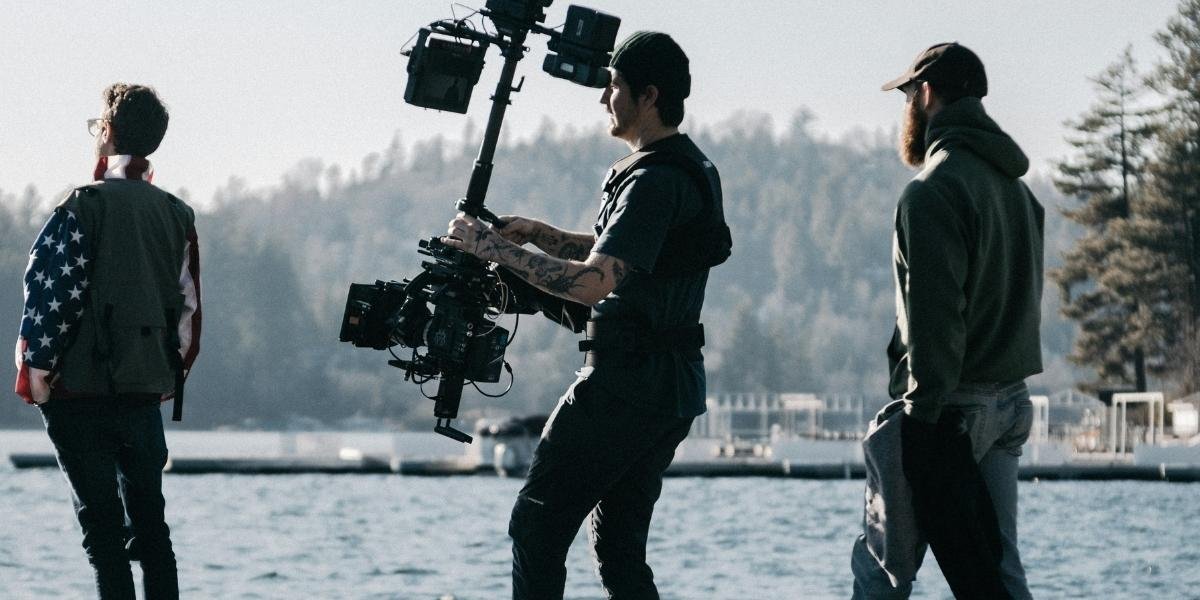
Unlike conventional film crews, social media creators often work with minimal equipment and smaller teams, making commercial activity more difficult to distinguish from ordinary visitor behavior. At highly trafficked landmarks, however, repeated filming activity can create congestion, disrupt guest movement, or encourage imitation among visitors attempting to recreate trending online videos.
Travel influencers and lifestyle creators have become major drivers of tourism marketing through platform algorithms that amplify visually recognizable destinations. Viral location content frequently leads to spikes in attendance, especially among younger audiences influenced by TikTok recommendations and Instagram travel trends.
Several tourism organizations internationally have introduced new rules in response to growing creator activity. Some parks, museums, and cultural institutions now require permits for monetized content production, particularly when filming involves promotional partnerships or advertising agreements.
Digital creators increasingly operate as small media businesses rather than hobbyist social media users. Many influencers maintain agency representation, brand contracts, merchandise partnerships, subscription communities, and advertising arrangements connected directly to location-based content.
Monetized Content Rules Affect Multiple Social Platforms
The revised requirements potentially affect creators across TikTok, Instagram, YouTube, Facebook, and emerging short-form video platforms where sponsored travel and lifestyle content continues attracting strong engagement.
Influencer campaigns tied to tourism, hospitality, fashion, wellness, and outdoor recreation frequently rely on recognizable locations to increase audience interaction and visual appeal. Historic estates and countryside landmarks managed by the National Trust have appeared regularly in creator content focused on luxury travel, seasonal fashion, home aesthetics, and destination experiences.
Commercial indicators may include affiliate links, sponsorship disclosures, product promotions, paid collaborations, or advertising revenue connected to videos filmed on-site. Creators participating in brand partnerships while filming at National Trust properties may now need prior authorization even if productions involve limited equipment.
Some creators maintain multiple income streams simultaneously, including platform monetization, sponsored integrations, subscription access, and product sales connected to individual videos or posts. As influencer marketing budgets continue increasing globally, location owners have faced pressure to clarify commercial usage policies.
The creator economy has expanded into sectors including tourism, hospitality, beauty, retail, publishing, and entertainment. Travel-oriented influencer campaigns remain particularly valuable to brands because of their strong engagement rates and potential impact on consumer purchasing decisions.
National Trust properties have become recognizable backdrops within online lifestyle culture, especially during seasonal travel periods and viral aesthetic trends centered on countryside tourism and heritage experiences.