Bad Influencer Captures the Creator Economy’s Most Pressurized Realities
Bad Influencer premiered globally on Netflix on October 31, 2025, and quickly became one of the most talked-about series of the year. The South African drama, created by Kudi Maradzika, blends crime, digital deception, and influencer culture into a seven-episode binge that has sparked widespread conversation across TikTok, Instagram, Reddit, and commentary channels.
The show follows BK, a single mother and small-time hustler who partners with a rising influencer to sell counterfeit luxury handbags online. As the operation scales, the characters face mounting pressure, from rival criminals, law enforcement, and the demands of maintaining curated online personas. The narrative is fictional, but the themes reflect real tensions within the creator economy: financial instability, identity performance, and the consequences of digital visibility.
Bad Influencer has entered Netflix’s Top 10 in multiple countries, with viewers dissecting plot points, character arcs, and aesthetic choices across platforms. The show’s resonance lies in its ability to mirror the emotional and operational realities of content creation without glamorizing them.
Bad Influencer Explores the Cost of Online Performance
The series centers on BK, portrayed by Jo-Anne Reyneke, whose character is driven by the need to support her special-needs son. After falling into debt, BK begins counterfeiting designer handbags and teams up with a social media influencer to market the products. The partnership proves lucrative but unstable, as the characters navigate threats from underground networks and the unraveling of their digital identities.
The show’s depiction of influencer culture avoids parody. Instead, it presents a layered view of how online performance intersects with offline survival. Characters struggle with validation, relevance, and the pressure to maintain engagement metrics while managing personal crises.
In one episode, a viral scandal forces the influencer character to confront the difference between visibility and credibility. The storyline reflects common experiences among creators who face backlash, burnout, and brand scrutiny. The tension between curated content and real-life consequences is a recurring theme throughout the series.
According to Mail & Guardian, Maradzika aimed to explore “counterfeit glamour”, a concept that describes the disconnect between online success and offline struggle. This framing gives the show its emotional weight and cultural relevance.
Bad Influencer Features Influencers Playing Influencers
Casting choices contribute to the show’s authenticity. The ensemble includes actors and real-life influencers, creating a blurred line between fiction and reality. Kamohelo Pule, Mihlali Ndamase, Lerato Nxumalo, Zozibini Tunzi, Cindy Mahlangu, Thapelo Mokoena, and Masasa Mbangeni all appear in roles that reflect aspects of their public personas.
Pule, who plays a central role, told Drum that the show “nailed the reality of content creators.” He emphasized that viewers connect with the series both emotionally and aesthetically, noting that the portrayal of influencer life is grounded in lived experience.
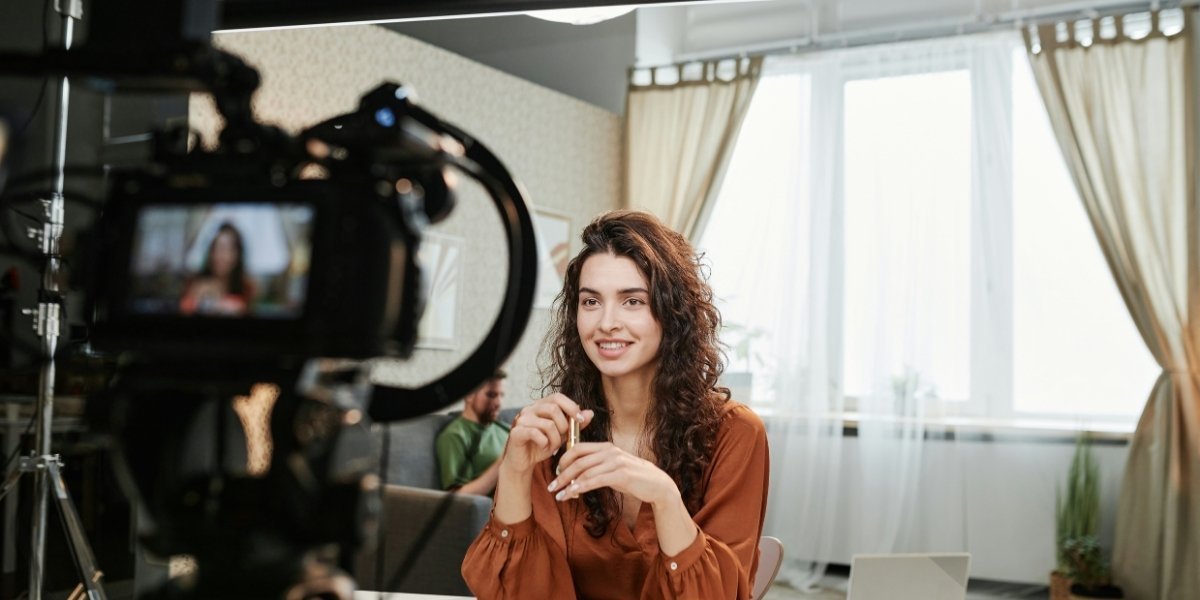
The inclusion of actual influencers allows the show to depict creator culture with nuance. Scenes involving brand deals, algorithm anxiety, and follower engagement feel familiar to audiences who consume or produce content daily. The characters’ struggles with identity and exposure mirror real conversations happening across platforms.
The show’s visual style also reflects influencer aesthetics. From neon-lit parties to minimalist apartments, the production design mimics the curated environments often seen on Instagram and TikTok. This attention to detail reinforces the show’s commentary on performance and perception.
Bad Influencer Sparks Debate Across Digital Platforms
Online reaction to Bad Influencer has been intense and varied. On Reddit, threads debate whether the show critiques or celebrates hustle culture. On X (formerly Twitter), creators share personal anecdotes that parallel the series, financial stress, brand deal pressure, and the fear of being “canceled.” TikTok users reenact scenes, while YouTube commentary channels analyze character motivations and plot structure.
The show’s popularity has prompted broader discussions about the creator economy. Viewers are questioning the ethics of monetizing personal narratives, the sustainability of constant content production, and the psychological toll of digital exposure. Some creators have used the show as a prompt to reflect on their own boundaries and business models.
Bad Influencer also raises questions about platform accountability. The storyline involving counterfeit goods and algorithm-driven marketing touches on real concerns about regulation, consumer protection, and influencer responsibility. While the show doesn’t offer solutions, it surfaces issues that are increasingly relevant to creators, audiences, and platforms.
The cultural impact of the series suggests that scripted content about influencers can resonate deeply when it reflects lived realities rather than stereotypes. Bad Influencer avoids caricature and instead presents a grounded, emotionally complex view of digital life.
Bad Influencer May Signal a Shift in Creator-Focused Storytelling
As of early November, Netflix has not confirmed a second season of Bad Influencer. According to Soap Central, the platform is reviewing viewership data, completion rates, and audience engagement before making a decision. Given the show’s performance and cultural traction, speculation about renewal remains strong.
Fans have proposed potential spin-offs, including a series focused on Naomi, played by Zozibini Tunzi, whose character combines elegance with strategic ambition. Others suggest expanding the narrative to explore influencer culture in different regions or industries.
Beyond renewal, Bad Influencer may influence how creators are portrayed in scripted media. The show’s success demonstrates that audiences are interested in stories that reflect the complexity of digital life. It also suggests that creators can participate in storytelling not just as subjects, but as collaborators and performers.
The series has prompted creators to reflect on their own roles within the digital economy. Some have posted commentary on how the show mirrors their experiences with brand negotiations, audience expectations, and personal boundaries. Others have used the show’s themes to initiate conversations about mental health, financial literacy, and content ethics.
Bad Influencer’s impact extends beyond entertainment. It has become a reference point for understanding the pressures and possibilities of creator culture in 2025. By presenting a fictional narrative rooted in real dynamics, the show offers a lens through which audiences can examine the systems that shape digital influence.