
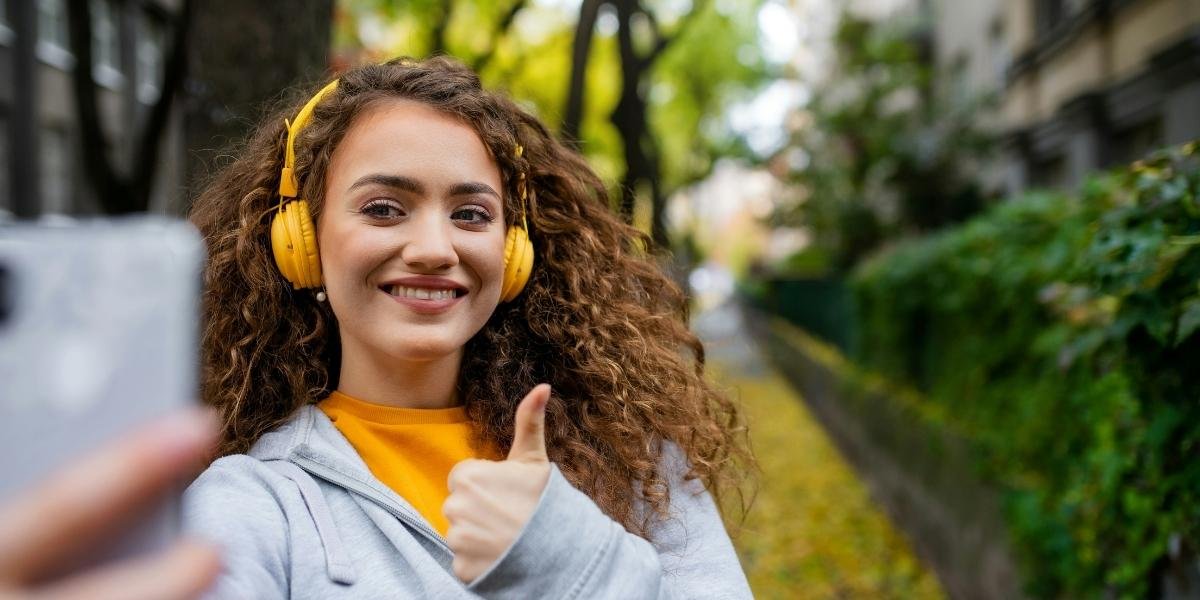

The creator economy isn’t just evolving, it’s being redefined by college students across the U.S. From dorm-room content studios to campus-led brand collabs, Gen Z creators are building influence on their own terms. They’re not waiting for permission or platforms, they’re launching podcasts between classes, monetizing TikTok trends, and turning side hustles into scalable businesses.
This isn’t a flash-in-the-pan moment. It’s a full-blown movement. College students are shaping the next creator economy wave with authenticity, agility, and a deep understanding of what digital audiences actually want. They’re not just participating in the culture, they’re building it.
Dorm Rooms, Data, and Digital Hustle
College campuses have become incubators for creator-led innovation. With access to high-speed Wi-Fi, smartphones, and a built-in audience of peers, students are turning everyday environments into content labs. A dorm room isn’t just a place to crash, it’s a set, a studio, and a strategy hub.
Platforms like TikTok, YouTube Shorts, and Instagram Reels have lowered the barrier to entry. A 15-second clip filmed between lectures can rack up millions of views overnight. But behind the viral moments, there’s serious strategy. Student creators are tracking engagement, optimizing post times, and refining their brand voice with the precision of full-time marketers.
Many are launching affiliate shops, building email lists, and creating digital products. Others are hosting IRL events that double as community-building tools, turning online influence into real-world impact. These aren’t just side hustles, they’re the foundation of a new kind of career.
Authenticity Is the New Influence
Gen Z creators aren’t chasing perfection, they’re building trust. Unlike earlier waves of influencers who leaned into glossy aesthetics and curated feeds, today’s student creators are prioritizing raw, real, and relatable content. They’re sharing mental health check-ins, behind-the-scenes struggles, and unfiltered opinions.
This shift toward authenticity is more than a vibe, it’s a strategy. Audiences respond to creators who feel like peers, not polished personalities. A vlog filmed on an iPhone can outperform a professionally edited video if it feels genuine. That intimacy builds loyalty, and loyalty drives engagement.
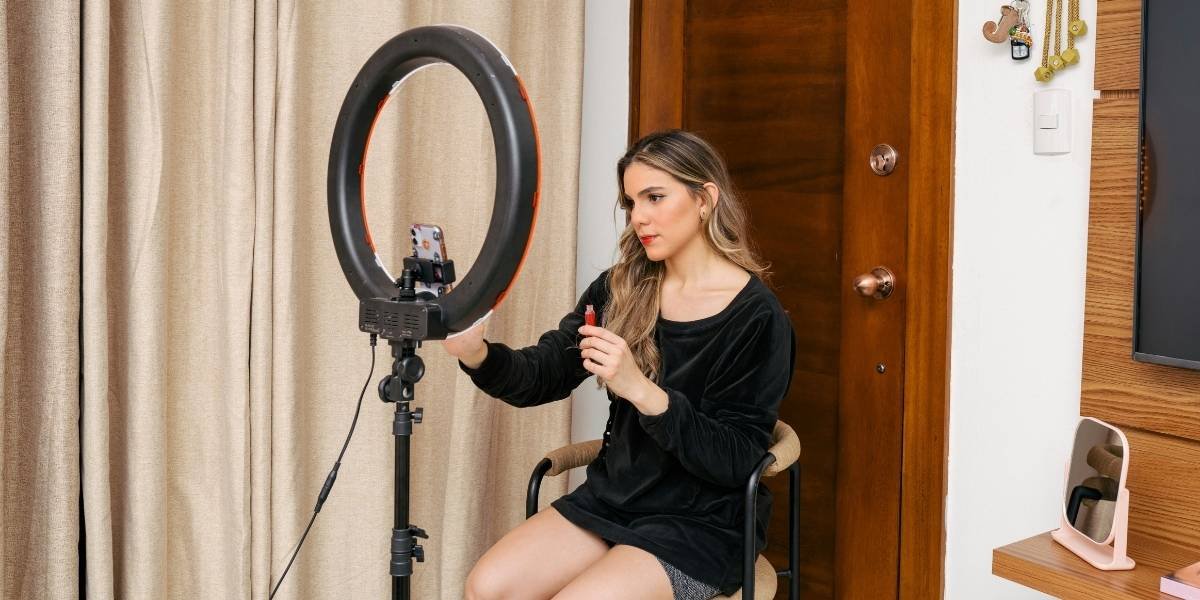
Brands are catching on. Instead of pouring budgets into mega-influencers, companies are investing in micro and nano creators with niche audiences and high trust. College students, with their cultural fluency and hyper-local reach, are ideal collaborators. They understand the language of their peers, and they know how to translate it into content that converts.
Monetization Is Getting Smarter, and More Strategic
Student creators aren’t just chasing likes, they’re building revenue streams. From brand partnerships and merch drops to Patreon subscriptions and digital courses, monetization is becoming more diversified and intentional. These creators are thinking like entrepreneurs, not entertainers.
Tools like Linktree, Ko-fi, and Shopify are helping students streamline their offerings. Many are using analytics dashboards to track what content performs, when to post, and how to optimize engagement. The rise of social media analytics strategy is turning casual creators into data-driven decision-makers.
Some are even launching their own agencies, managing campaigns for other students, and consulting for brands looking to tap into Gen Z. They’re negotiating contracts, setting rates, and protecting their IP, all while juggling coursework and finals. The creator economy wave isn’t just about content, it’s about control.
Community Is the Real Currency
In the next creator economy wave, community matters more than clout. College creators are building tight-knit followings that feel more like group chats than fanbases. They’re hosting Q&As, launching Discord servers, and co-creating content with their audience.
This two-way engagement fosters loyalty and longevity. It also opens the door to new monetization models, from exclusive content to collaborative merch. When followers feel seen and heard, they stick around, and they spend.
IRL meetups, campus pop-ups, and creator-led panels are also on the rise. These events blur the line between online and offline, turning digital influence into real-world impact. For many student creators, community isn’t just a strategy, it’s the whole point.
Universities are starting to catch up. Some are offering courses in digital branding, influencer marketing, and content strategy. Others are launching creator incubators, providing students with equipment, mentorship, and funding. These programs recognize that content creation is a viable career path, not just a hobby.
The Dorm Room Is the New Launchpad
College students are proving that you don’t need a studio, a manager, or a massive budget to build influence. You need a phone, a point of view, and a willingness to show up consistently. They’re not waiting for gatekeepers, they’re becoming them.
The creator economy wave is being shaped by students who understand the power of authenticity, the value of community, and the potential of digital platforms. They’re building brands, launching movements, and rewriting the rules of influence.
For brands, the message is clear: meet student creators where they are. Value their voice, invest in their growth, and collaborate with them, not just sponsor them. The next big thing won’t come from a boardroom. It’ll come from a dorm room.


