
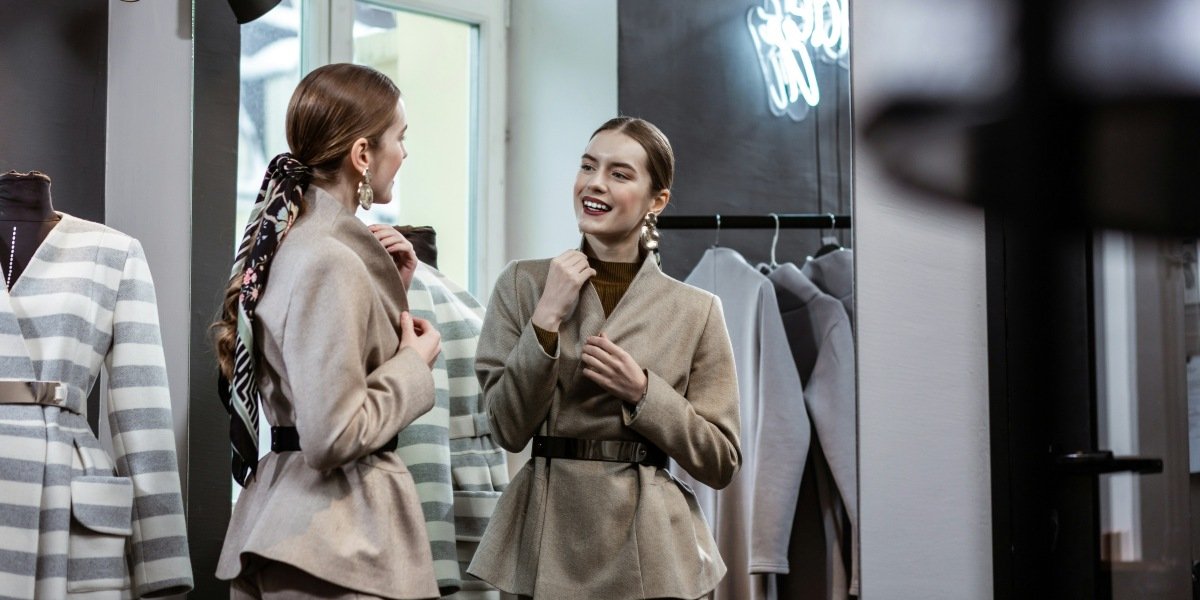

Immersive retail environments are designed to engage customers on multiple sensory and emotional levels, often incorporating technology, narrative elements, and interactive features. Unlike traditional retail, which typically focuses on product display and transactional efficiency, immersive retail prioritizes experience, personalization, and emotional impact.
According to retail consultant Ghalia Boustani, immersive retail spaces “become alive” by allowing customers to interact with the brand across multiple dimensions—visual, auditory, tactile, and even olfactory. These environments often integrate technologies such as augmented reality (AR), virtual reality (VR), and gesture-based interfaces to create dynamic, personalized experiences.
For example, Nike’s “Nike Fit AR” allows customers to scan their feet using a smartphone to find the perfect shoe size, blending utility with engagement. Similarly, H&M’s Metaverse initiative offers virtual try-ons and gamified shopping experiences, demonstrating how immersive retail can bridge the gap between digital and physical commerce.
Traditional store design, by contrast, tends to rely on static layouts, passive product displays, and minimal sensory stimulation. Immersive retail disrupts this model by turning the store into a narrative space—where every design choice contributes to a cohesive brand story.
How can retailers use scent, sound, and lighting to create emotional connections?
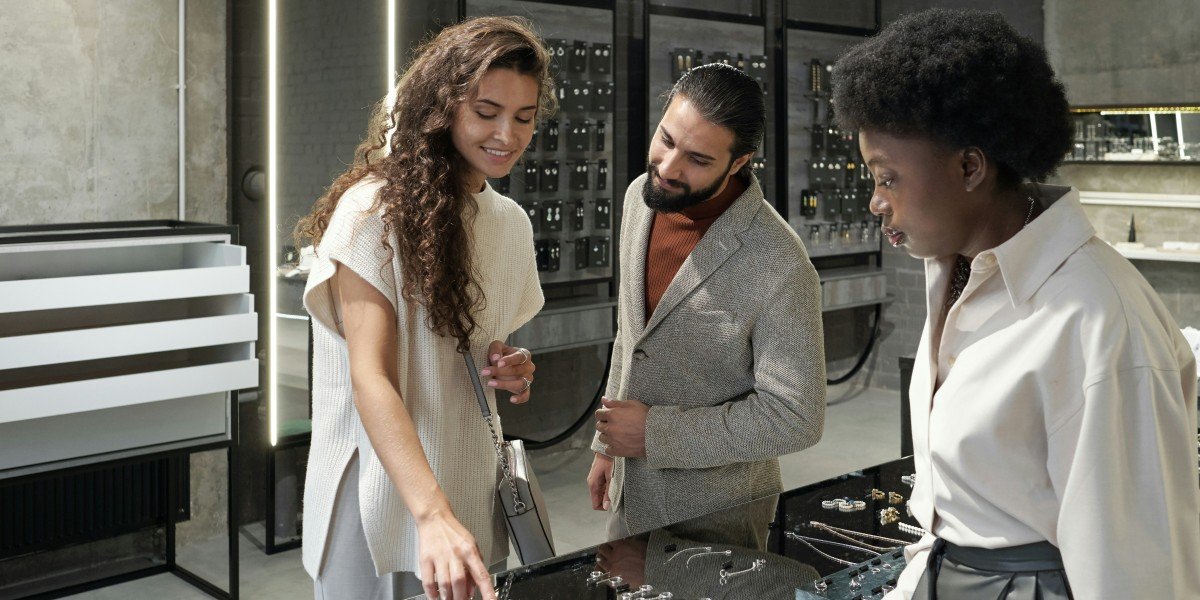
Sensory design is a cornerstone of immersive retail, with scent, sound, and lighting playing pivotal roles in shaping customer perception and emotional response. These elements are not merely aesthetic; they are strategic tools for building brand identity and deepening emotional engagement.
Scent marketing, for instance, has been shown to influence consumer behavior and increase sales. Research cited by Forbes reveals that scent bypasses rational processing and connects directly to the brain’s emotional and memory centers, making it a powerful trigger for nostalgia and mood elevation. Retailers like Abercrombie & Fitch have long used signature scents to create brand recall and emotional association.
Sound also plays a critical role. Curated music and ambient soundscapes can energize or relax shoppers, depending on the desired brand tone. A fitness center might use high-tempo music and citrus scents to motivate clients, while a boutique might opt for soft melodies and floral aromas to evoke elegance.
Lighting, meanwhile, shapes spatial perception and emotional tone. Warm lighting can make a space feel inviting and intimate, while cooler tones convey modernity and sophistication. Retailers often use layered lighting—ambient, accent, and task—to guide customer flow and highlight key products.
When these sensory elements are aligned with brand identity and customer expectations, they create a cohesive and memorable experience. The key is intentionality: each sensory cue must reinforce the brand’s emotional narrative, not distract from it.
What makes an immersive pop-up shop effective in driving brand awareness?
Immersive pop-up shops are short-term retail activations designed to create buzz, foster emotional engagement, and amplify brand visibility. Their effectiveness lies in their ability to deliver exclusive, story-driven experiences that resonate with consumers and encourage social sharing.
Pop-ups differ from permanent retail spaces in their agility and novelty. They often appear in high-traffic or unexpected locations, creating a sense of urgency and exclusivity. According to Quintessentially Experiences, immersive pop-ups can increase consumer connection by up to 70%, making customers more likely to engage with and remember the brand.
Successful pop-ups incorporate multi-sensory design, interactive elements, and thematic storytelling. Louis Vuitton’s takeover of Casa Neos in Miami, for example, transformed a hotel into a branded lifestyle space, complete with exclusive products and immersive décor that reflected the brand’s summer narrative. This approach not only reinforced brand identity but also encouraged user-generated content, extending the brand’s reach through social media.
Mobile pop-ups—such as Gucci’s branded coffee trucks or Dolce & Gabbana’s traveling showrooms—bring the brand directly to consumers, often in unexpected places. These activations prioritize emotional resonance over direct sales, using surprise and delight to build long-term loyalty.
The strategic use of design, location, and storytelling makes pop-ups a powerful tool for brand awareness. They allow brands to test new markets, gather feedback, and create memorable experiences that linger in the consumer’s mind long after the event ends.
Immersive retail environments represent a paradigm shift in how brands engage with consumers. By integrating sensory design, emotional storytelling, and experiential activations, retailers can transform physical spaces into powerful platforms for connection and loyalty. Whether through permanent flagship stores or ephemeral pop-ups, the future of retail lies in crafting experiences that are not just seen—but felt, remembered, and shared.


