
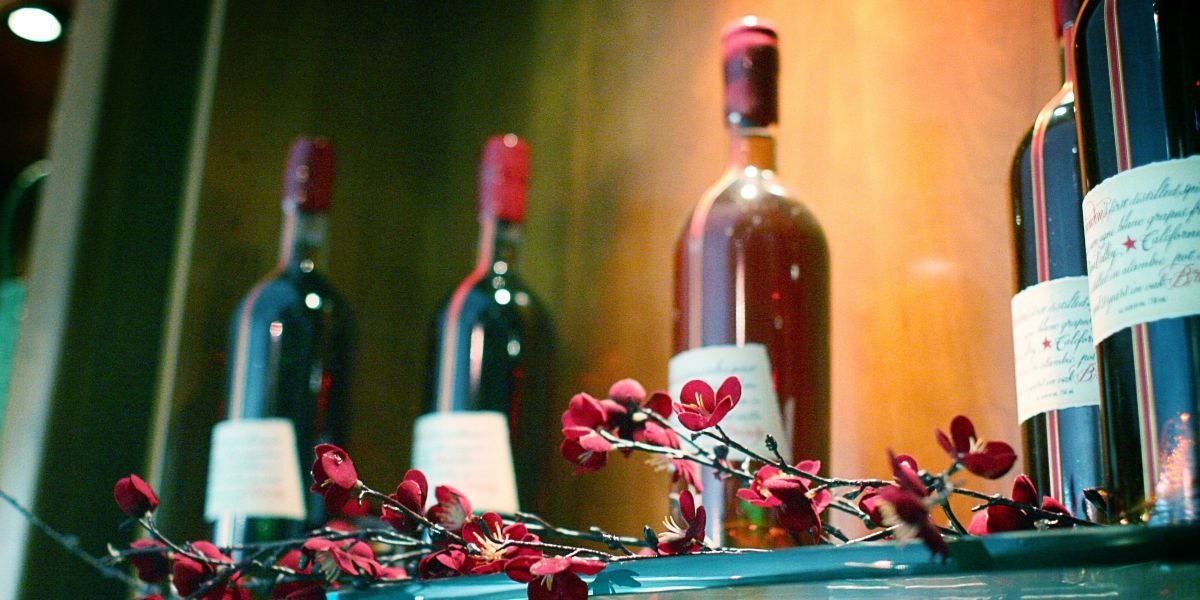


The day of Valentine’s has changed way beyond candlelit dinners and traditional red roses. Romance today is planned, distributed, and experienced in the digital space, via photography and video narratives, social media campaigns, lifestyle blogs, and brand stories. The long-standing wine-related shared experiences of celebration and intimacy play a slightly dominant yet effective role in shaping the romantic content-creation expressions. The right wine at the right Valentine holiday is both a matter of taste and a matter of mood as well as symbolism and visual narration.
With a touch of roses to a classy sparkling wine, the right bottle can enhance the sensory experience of the contents and the emotional context of Valentine’s Day.
Wine as a Storytelling Element in Romantic Content
Wine is emotional in nature. The filming scenes of pouring a glass, its color, and texture, and ritual give the romantic scenes more depth, be it in the lens of lifestyle photography work, short-form video, or editorial-like work. The wines offered on Valentine’s Day are usually oriented toward expressive styles that are celebratory, indulgent, and intimate simultaneously.
To content creators, wine can be used in various ways. It is an aesthetic prop, a lifestyle indicator, a cultural point of contact, and audiences will immediately connect with it. Chocolates and florals with a lightly lit glass of Pinot Noir or a chilled bottle of sparkling wine speak volumes of romance without saying a word.
Classic Valentine’s Day Wine Styles That Inspire
Red wines are always a reliable option during valentines day, especially lighter and more fruity ones that are not too intense. Pinot Noir, in particular, offers a sleek, warm look that is perfect for the dinner table, for warming up indoors, or for telling a story about bonding and communication.
The rose wine color palette helps it gain popularity on Valentine’s Day alone. Light pink colors are best photographed and naturally complement themes of love, parties, and contemporary romance. Rose is particularly effective when shooting during the day, in a brunch-themed setting, or in a way that appeals to younger audiences and introduces a new twist on the traditions of the day of love.
The Sparkling wines (Champagne and other better sparkling varieties) add liveliness and festivity to the picture. The pop of a cork or the bubbles in a flute make one feel special right away. To creators seeking to understand how various spirits can make romantic situations higher, elegance and depth are well contrasted in the Bourbon and Champagne discussions, where two traditional styles collide to provide multiple narratives in a singular setting.
Pairing Wine With Valentine’s Day Themes
Not every content related to Valentine’s Day is intended to convey the same emotional tone. Others are luxury and refined, others are cozy, friendly, or even romantic. The choice of wine must be appropriate to the story being told.
In minimalistic, more intimate content, low-profile wines with simple labels and soft tones are best. To be more daring, glamorous, darker shades of reds or sparkling wines, and a dramatic presentation can make the scene. Food pairings. When food is part of the story, such as chocolate pairings or when the visual focuses on the dessert, wine with a balanced balance of acidity and sweetness can keep the visual narrative and taste experience in harmony.
Creators and editors often look to curated guides when selecting wines that resonate with Valentine’s audiences. Resources highlighting the great wines for valentine day can offer useful context for aligning wine choices with seasonal expectations and audience.
Wine Gifting as Part of Romantic Narratives
The content of the Valentine’s Day event is often devoted to the topic of gift giving- either personal or symbolic. Wine perfectly fits this story, as it is associated with consideration, shared experiences, and parties. An appealing bottle, a gifted wine package, can serve as a foundation to an image narrative and support the theme of connection and appreciation.
Brands and publishers are interested in wine-gifting content because it is both aspirational and practical. Published wine lists that include chocolates, flowers, or gifts will help make the content feel full and meaningful without being overly pushy or promotional.
The advantage of visual storytelling is presenting wine as part of a broader romantic experience rather than a product in itself. It can be a peaceful evening at home or a celebration drink; wine can add emotional details.
Creating Timeless Valentine’s Day Wine Content
The authenticity of the wine-related content in Valentine’s Day posts is what keeps them competitive year after year. The scenes are relatable, intentional, and emotionally engaging for the audience. Wine must not make an impression–it must be in harmony with the moment.
Attention to detail matters. The perception of wine content is influenced by the glassware, lighting, setting, and pacing used. A gentle pour, a joint drink, or even a close-up of the condensation on the frozen bottle can be more effective in communicating intimacy than a lot of staging.
Wine is a versatile and purposeful element when the tradition of Valentine’s Day and a modern creative approach are combined. Whether it is editorial features or social stories, the right wine choice can make the content more than a visual experience and an emotional one.
For those exploring curated gifting ideas that align naturally with Valentine’s Day narratives, thoughtfully assembled options like a valentine wine gift basket offer inspiration for combining romance, celebration, and presentation in a single concept:
By pairing intentional wine selections with thoughtful creative direction, Valentine’s Day content can truly sip in style—capturing romance in a way that feels both timeless and relevant.


