The concept of holiday shopping in the U.S. is undergoing a major shift. Rising costs, economic uncertainty, and evolving consumer values are driving more families to reconsider where and how they spend their money during the holidays. Rather than relying solely on traditional big-box retailers, many shoppers are turning to thrift stores, artisan markets, and local craft fairs for unique and meaningful gifts.
This shift has given rise to the term “Thriftmas”—a celebration of secondhand shopping during the holiday season. Once viewed with skepticism, secondhand gifts are now embraced for their sustainability, creativity, and personal touch. Younger generations, particularly Gen Z and Millennials, are leading the charge, finding joy in giving thrifted items that reflect individuality and a commitment to the environment.
The rise of Thriftmas represents more than just financial caution; it points to a broader shift in values. As more consumers prioritize sustainability and meaningful experiences over mass-produced goods, the holiday season is transforming into a more eco-conscious and authentic occasion. This trend raises an important question: Will Thriftmas become a permanent part of holiday traditions, or is it simply a response to current economic pressures?
The Rise of Thriftmas and Secondhand Gifting
The trend toward secondhand gifting is becoming increasingly mainstream. More consumers are seeking out thrift stores, online resale platforms, and vintage shops to find affordable yet unique presents. Items such as vintage clothing, antique furniture, and classic vinyl records have gained popularity as gifts that carry a sense of character and personal history that mass-produced goods often lack.
What makes Thriftmas especially appealing is the individuality of the items. Whether it’s a carefully selected book, a one-of-a-kind piece of jewelry, or a vintage sweater, secondhand gifts often come with a story, making them feel more personal and meaningful. For many, the joy of giving is enhanced when the gift reflects a thoughtful choice that goes beyond the ordinary.
This trend is also in line with sustainability goals. By purchasing secondhand items, shoppers can reduce waste and extend the life cycle of products. In fact, buying used items rather than new ones can significantly reduce one’s carbon footprint. As more people look for ways to make their holiday spending more eco-friendly, Thriftmas offers an accessible and impactful way to celebrate the season while being mindful of the environment.
De-Influencers and the Push for Mindful Consumption
Alongside the rise of Thriftmas, another trend is emerging: the influence of de-influencers. These social media personalities challenge the prevailing culture of overconsumption by encouraging followers to buy less, shop sustainably, and prioritize experiences over material goods. Their message is particularly relevant during the holiday season, a time when consumer pressure often peaks.
De-influencers highlight the downsides of fast fashion, overpackaged goods, and impulse buying. They emphasize the importance of making mindful purchasing decisions, promoting gifts that are not only practical but also sustainable. By advocating for secondhand finds, handmade crafts, and gifts that carry lasting value, de-influencers are shifting the focus from consumption to mindful giving.
This shift in thinking is especially appealing to younger consumers who are skeptical of traditional advertising and more receptive to authentic voices. De-influencers are helping to shape a new narrative around the holidays, one where thoughtful, sustainable choices take precedence over excess. The rise of these voices sparks curiosity about how consumer culture will continue to evolve in the years ahead.
Artisan Markets and Local Craft Fairs
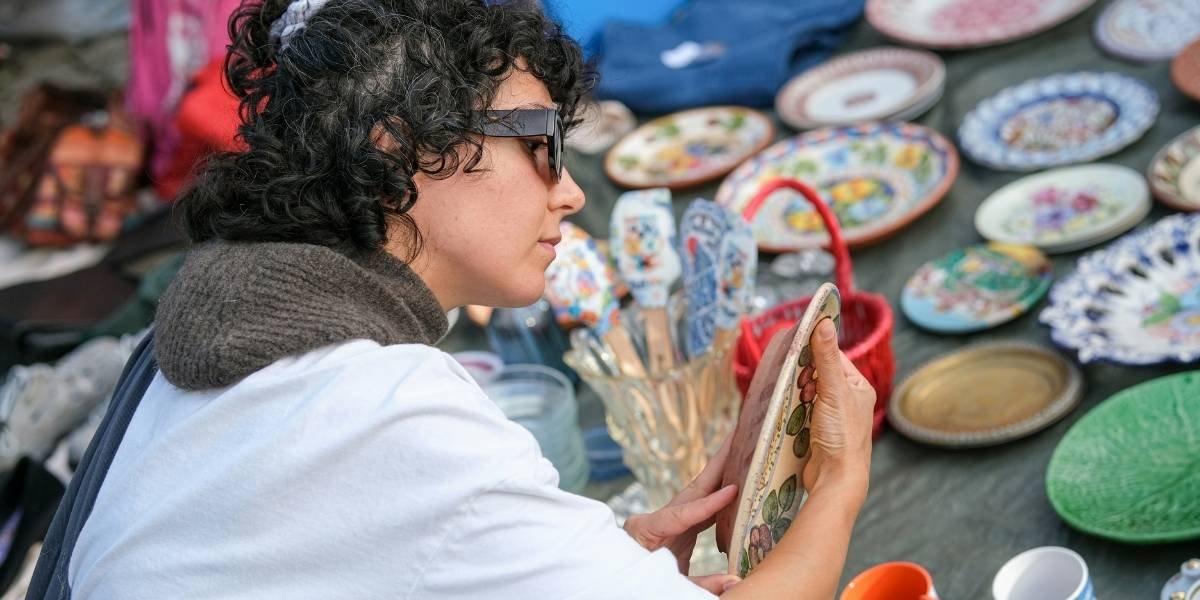
Artisan markets are experiencing a resurgence, as more shoppers seek out unique, handmade gifts that reflect local talent and creativity. Across the U.S., from cities like San Diego to New York, markets and craft fairs are booming, offering everything from handmade jewelry and ceramics to baked goods and textiles. These markets offer an alternative to traditional retail, emphasizing community connection and support for local artisans.
For artisans, these markets provide more than just a sales opportunity—they are platforms for storytelling and showcasing craftsmanship. Shoppers often appreciate the personal connection to the makers, knowing that their purchase supports local families and small businesses. This direct connection is something that mass retail simply cannot replicate, adding a layer of meaning to the transaction.
The popularity of these markets is a natural extension of the Thriftmas trend. Just as secondhand shopping reflects a desire for more meaningful, sustainable gifting, artisan markets emphasize authenticity and the celebration of local craftsmanship. As shoppers continue to embrace unique and handmade items, artisan markets are expected to remain a vibrant part of the holiday shopping landscape.
The Future of Thriftmas and Mindful Holiday Traditions
The convergence of Thriftmas, the rise of de-influencers, and the growth of artisan markets signals a redefinition of holiday traditions. Gift-giving is no longer about the sheer volume of presents but rather about the meaning behind each gift. More consumers are prioritizing sustainability, individuality, and community support over mass-produced goods, aligning holiday shopping with the values that are increasingly defining today’s consumers.
In the future, Thriftmas and artisan markets may become key players alongside traditional retailers. As social media continues to amplify conversations around mindful consumption, the role of de-influencers in shaping these trends will only grow stronger. These shifts have the potential to transform not just the way people shop, but also the cultural meaning of the holidays.
Will Thriftmas remain a staple in future holiday seasons, or will consumer culture return to its old ways once economic conditions stabilize? This evolving trend presents an opportunity to redefine what the holidays mean in a world that values authenticity, sustainability, and community more than ever.