
Fifty-seven percent of American women aged 18 to 29 say they have gone to social media influencers for health and wellness information. That is ten percentage points higher than young men in the same age group, according to Pew Research Center surveys of more than 10,000 adults conducted across 2025.
The finding tends to be reported as a warning about misinformation. The rest of the data suggests something more interesting is happening.
Women Are Not Being Fooled
Among Americans who get health information from influencers, only one in ten say they trust all or most of it. Around a quarter say they trust little or none. The largest group, roughly two thirds, say they trust some of what they hear.
That is not an audience being taken in. It is one treating social media as a single input among several, weighed against other sources. Pew also found medical professionals remain the most common source of health information for American adults.
So the question is not why women believe influencers. It is why they are listening at all when they say they do not fully trust what they hear.
The Answer Starts In The Exam Room
Pew asked people why they turn to health and wellness influencers. The most common major reason, given by 41 percent, was wanting to make a change to their health or lifestyle. Around a quarter cited entertainment, rising to a third among 18 to 29s.
Then a smaller figure that deserves more attention. Fourteen percent said a major reason they turn to influencers is to learn about things they do not want to ask their doctor about.
That is roughly one in seven people describing a question they carried into a consultation and took home again unasked. Some of that is embarrassment. Some is time, since a short appointment does not invite a tangential question. Some is a reasonable expectation of being dismissed.
For women, that expectation is not unfounded. The average time to diagnosis for endometriosis is measured in years rather than months. Symptoms of hormonal change in a woman’s thirties and forties are frequently attributed to stress or anxiety before hormones are considered. A patient who has been told once that her symptoms are psychological has learned something about what is worth raising a second time.
What Actually Shows Up In The Feed
The content is not evenly distributed across audiences. Among those who get health information from influencers, 51 percent of young women say they often encounter material about beauty and personal appearance, compared with 18 percent of young men. Young women are also around twice as likely as young men to often see content about alternative medicine.
Pew’s analysis of the influencers themselves found a mixed field: mothers, coaches, entrepreneurs and medical doctors, with no single background dominating. Nearly nine in ten are on Instagram.
That mix is the practical difficulty. A board-certified physician explaining a mechanism and a supplement brand ambassador making a claim appear in the same feed, in the same format, at the same length, with no external marker distinguishing one from the other. Platforms rank by engagement, and confident claims outperform careful ones.
Why Hormones Sit Squarely In This Gap
Hormone health is among the areas where the gap between what patients want to know and what a standard appointment delivers is widest. The vocabulary is technical, the symptoms are diffuse, and the treatment landscape changed significantly when the Food and Drug Administration removed the boxed warning from menopausal hormone therapy in November 2025.
Women searching for an explanation of what that change means will find no shortage of content about it. What is harder to find is content that distinguishes between what the evidence supports, what remains uncertain, and what is being sold. The same applies to testosterone and perimenopause, where online answers arrive faster than the research settles.
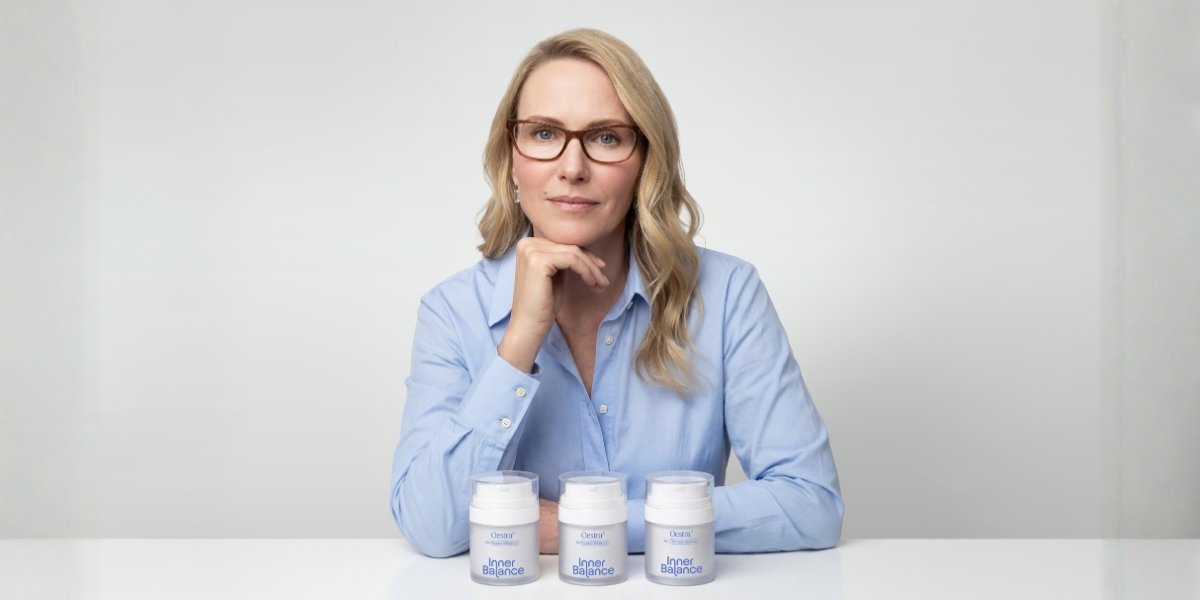
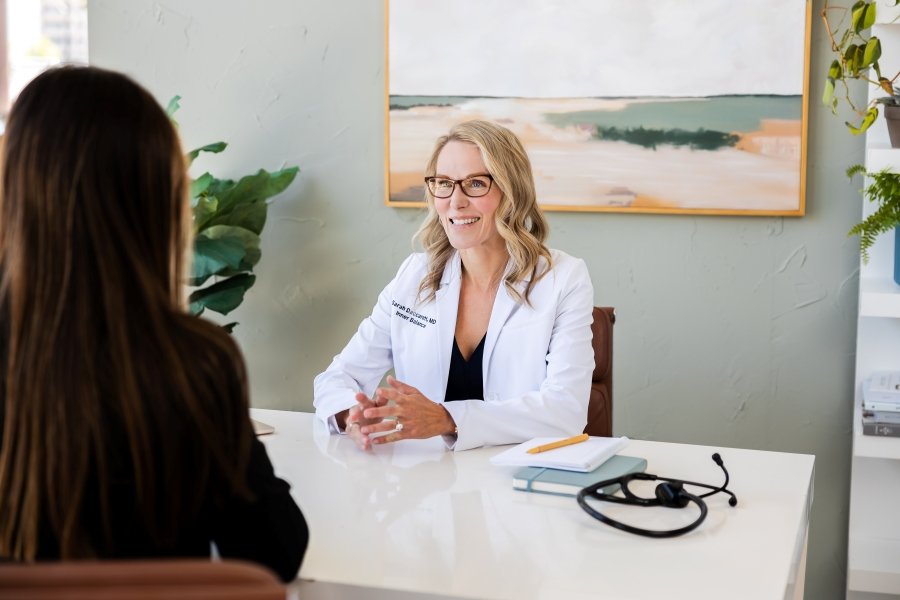
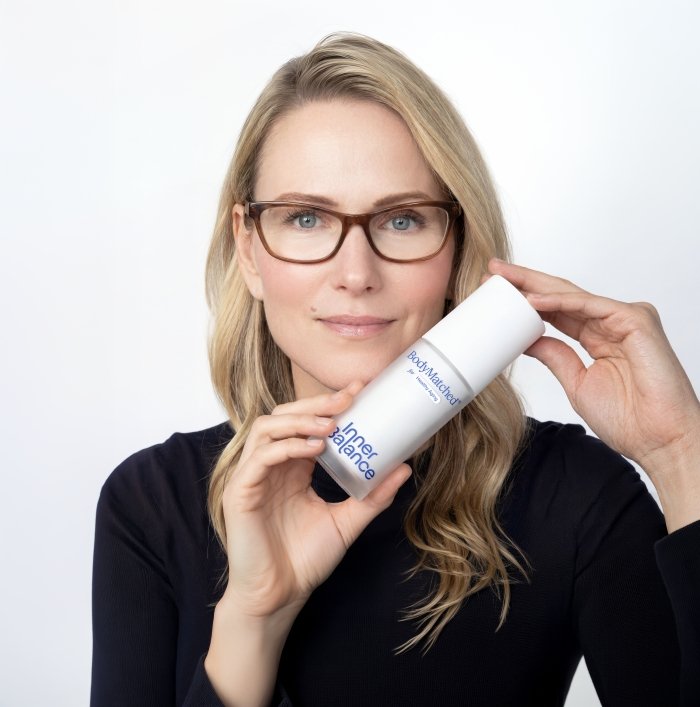
Dr. Sarah Daccarett, a physician specialising in hormone health, founded Inner Balance to put a clinician between the patient and the decision. The platform runs an online health assessment reviewed by a licensed clinician before anything is prescribed, and its products, including the hormone therapy Oestra and the prescription sublingual formulation Libida, are dispensed through a licensed United States pharmacy rather than sold over the counter.
“Women are not being fooled. They are being underserved,” says Dr. Daccarett. “When one in seven is asking a stranger online because she will not ask her doctor, that is a failure of the appointment, not the patient.”
Four Questions Worth Asking Of Any Health Post
The practical response is not to disengage from health content online. Pew’s data suggests women are already applying judgement. A few questions sharpen it.
What is the person’s training, and is it relevant to what they are discussing? Credentials in one clinical area do not transfer automatically to another.
Are they selling something, and is that relationship disclosed? A financial interest does not make a claim untrue, but it belongs in view.
Is the claim attached to a source, and is that source independent of the person making the claim? Internal company data is not the same as a published trial, and reputable communicators say which one they are citing.
Does the content acknowledge uncertainty? Medicine contains a great deal of it, and content that never does is describing something other than the evidence.
What Would Actually Fix This
The one in seven who bring questions to social media because they will not bring them to a doctor represent a solvable problem, but not one solved by better content online. It is solved in the consultation, by clinicians who ask what else the patient wanted to raise. Women who want that conversation with a licensed clinician rather than a comment section can start at innerbalance.com.
Until that changes, women will keep filling the gap themselves. The Pew data suggests they are doing it more carefully than the headlines imply.
Dr. Sarah Daccarett is the founder of Inner Balance.innerbalance.com