
Why “Instagrammable” and “Content-Ready” Aren’t the Same Thing
A brand team scrolls past a beautifully styled backdrop from someone else’s activation and assumes any similarly pretty setup will perform the same way across a full day of content. It usually doesn’t. What made that installation actually work wasn’t just how it looked in the one photo that got posted; it was a set of decisions made before a single balloon went up. Content-ready backdrop design and a merely Instagrammable backdrop sound like the same thing, but they aren’t. The difference only becomes obvious once the content starts rolling in. An Instagrammable backdrop just needs to look good once, from one angle, in decent light. A genuinely content-ready installation has to hold up across dozens of shots, multiple creators, and hours of shifting light, without ever looking like the same flat photo twice. That distinction is starting to matter more to brands planning IRL activations, because the cost of getting it wrong shows up fast, in flat content, repetitive angles, and a backdrop that looked incredible in the press photo and forgettable in everything a creator actually posted.
What “Content-Ready” Actually Means Beyond One Good Photo
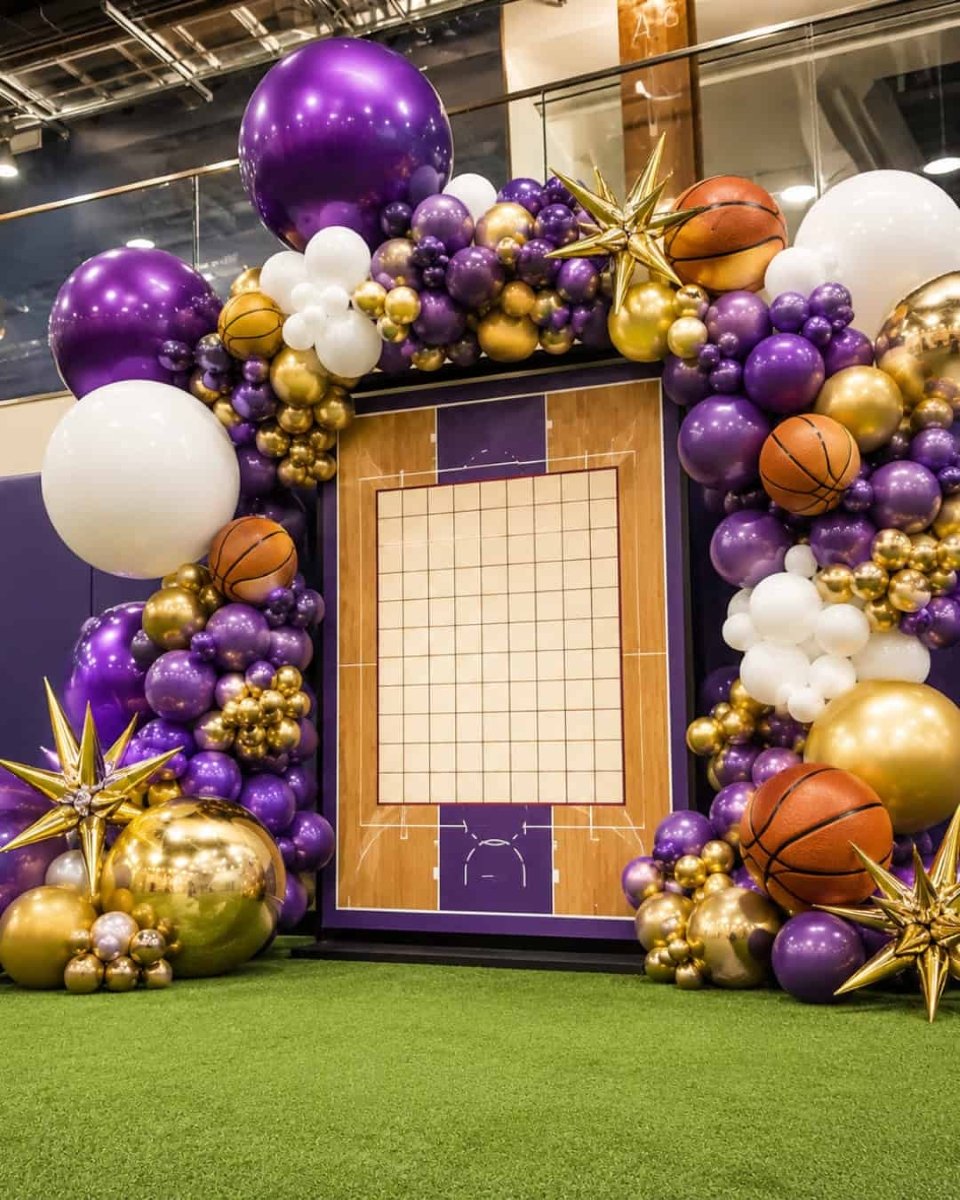
Good photo backdrop design starts with a simple question most people never ask, how many genuinely different shots can this actually produce? Photographers typically capture backdrops in multiple ways: full-width group shots, tighter two-person frames, and individual close-up portraits, and each of those needs the piece to hold up differently.. A flat panel with one good angle fails that test immediately. A curved or dimensional piece almost always performs better across that range. Sean Edwards, Founder of The Balloon Guy, thinks about that range from the earliest planning conversation. “People show me a reference photo and ask for that exact look,” Edwards said. “But that one photo was probably the best of fifty angles someone shot that day, not the only angle the piece actually offers.” Lighting compounds the problem. A backdrop that reads beautifully under golden-hour light can go flat and muddy under a venue’s overhead fluorescents an hour later. Content-readiness means the piece was actually built with that range in mind, not just the one condition it happened to be photographed in first.
How Content-Readiness Actually Gets Built Into the Installation
Content creation event design actually starts with angle planning, well before color or theme gets decided. That planning happens on paper, long before fabrication begins. A designer walks the venue, or studies the floor plan, and maps out where cameras and phones will realistically be standing, then builds the installation to hold up from each of those positions specifically. The Balloon Guy, a Los Angeles studio that designs content-ready installations for brand activations and influencer events specifically, treats that mapping as the actual first step, not a detail added after the pretty parts are decided. Material and color choices follow from that mapping, not the other way around. So does scale. A finish that reads crisp under one light source and dull under another gets ruled out early, before it becomes a problem on shoot day. Sightlines matter just as much. A piece that photographs beautifully head-on but collapses visually from a slight angle to the side isn’t actually finished; it just hasn’t been tested from enough directions yet.
Why It Has to Hold Up for a Full Shoot Day, Not Just the First Photo
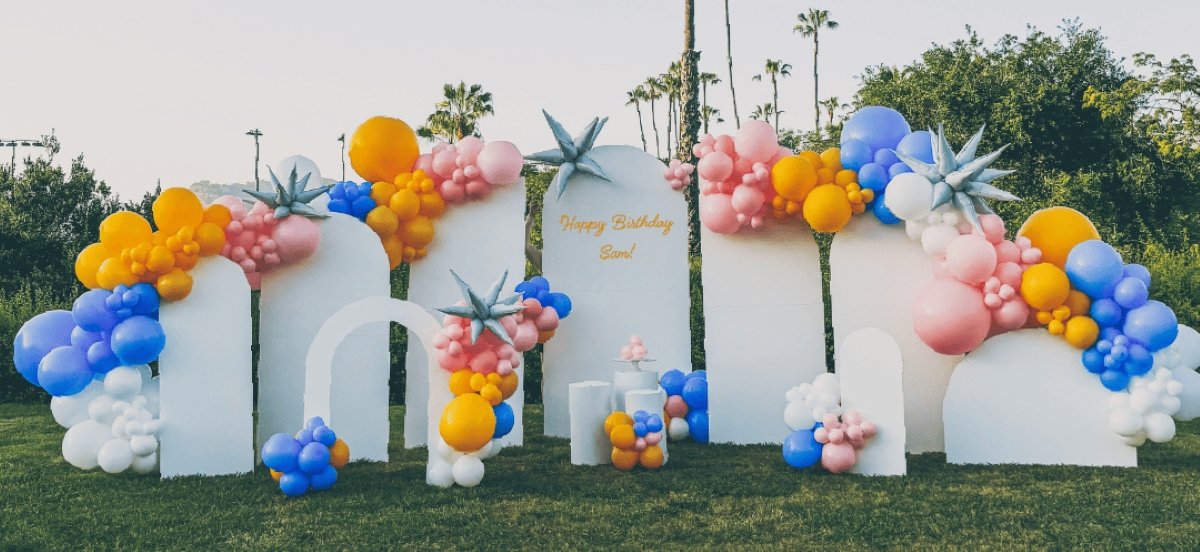
The first hero shot usually happens within the first twenty minutes of an activation, while everything still looks fresh. That’s the shot everyone remembers, and the easiest one to get right. The rest of the day is where content-readiness actually gets tested. One event-fabrication source frames it directly: a well-fabricated brand activation isn’t just visually striking; it’s built to hold up under real-world event conditions, from crowded convention floors to outdoor festival weather, and that same logic applies to a balloon installation specifically. Edwards has watched pieces fail exactly there, not in the design, but in the hours after setup. “A finish that looks perfect at ten a.m. has to still look perfect after four hundred people have walked past it,” Edwards said. “If it can’t survive that, it was never actually content-ready; it just photographed well once.” Structural choices, how a piece is built, anchored, and finished, matter more here than any single design decision. Design gets the credit. Structure does the work. A backdrop that sags, shifts, or dulls by mid-afternoon quietly ruins every shot taken after that point, even if nobody watching realizes why.
What Designing for the Camera Actually Means
Content-ready design was never really a byproduct of a pretty backdrop; it’s a specific, engineered set of choices made well before anything gets installed. That distinction changes what actually gets asked in the planning conversation. That’s worth asking a vendor directly: how many distinct angles and lighting conditions was this piece actually built to hold up under, rather than assuming a beautiful reference photo tells the whole story. Edwards has spent more than fifteen years watching what actually survives a full shoot day versus what only survives the first twenty minutes of one, and that experience shapes how deliberately a piece gets engineered before a single balloon goes up. A genuinely content-ready installation doesn’t just produce one good photo. It produces dozens. It produces good photos all day, from every angle someone actually shoots it, which is the entire point.