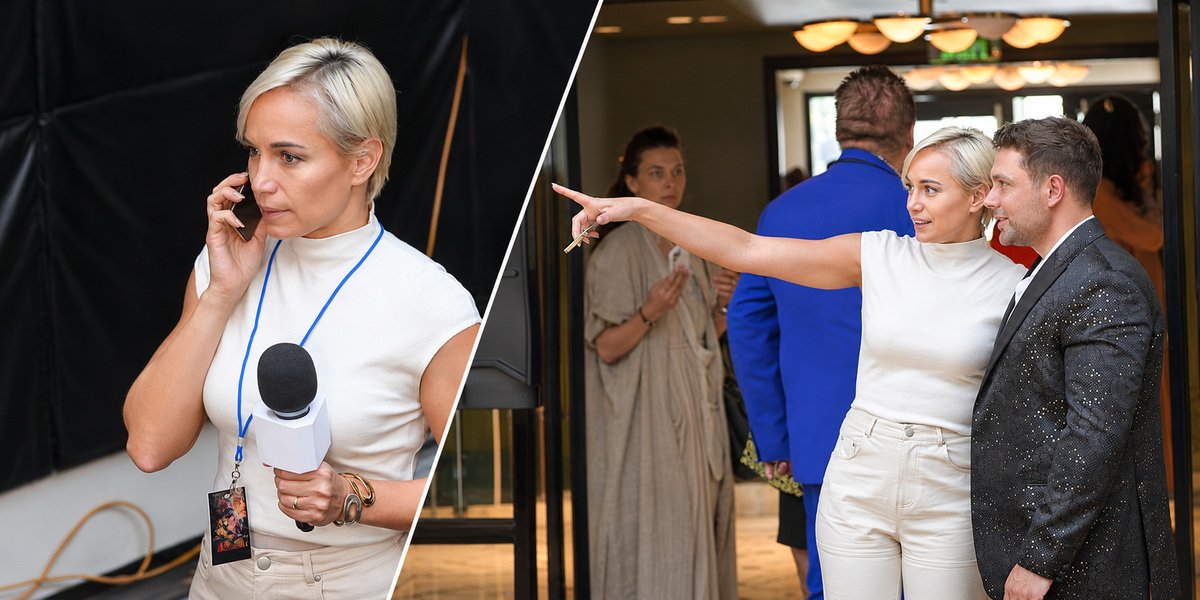

She grew a women’s online publication to an audience of about 850,000, then arrived in Los Angeles in 2022 knowing almost no one. Within months, she was filling a studio with hundreds of guests. Here is how the event and talent producer turned one-night events into a working creative network.
On December 30, 2022, Olga Amraie got news that stopped her cold. The backdrop for her New Year’s Eve red carpet would not be delivered until January 4. The studio had already paid for it. The event was the next night.
It was a shock. At the studio, the message she heard was blunt: the delay was her responsibility, and so was the risk that the entire event would fall apart.
Amraie had a choice: accept the blame or find a way out. She decided there was no going back. She kept calling, phone after phone, but every intermediary she reached had the same answer. Nobody could get the backdrop there in time, and nobody wanted to own the decision. So she stopped calling the middlemen and started looking for the people who actually printed it.
The answer came only on the morning of December 31. After yet another attempt, she reached the person in charge of printing the backdrop and found a solution herself: she would drive across the city and pick it up straight from the print shop. Back at SAS Movie Studio, she and a colleague stretched it into place.
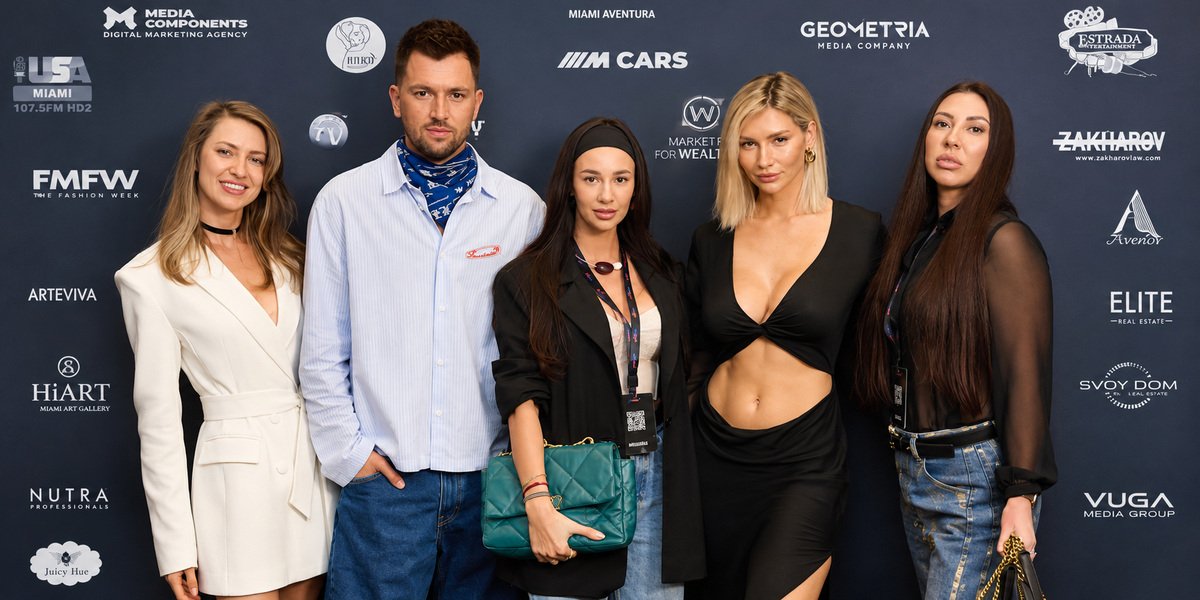
By midnight, more than 850 people were inside, Amraie recalls. The program had five award categories, a red carpet and media guests. Her production partner provided the venue and equipment. Most guests never knew who had pulled it together, or how close the red carpet had come to having no backdrop at all. For Amraie, the night taught a lesson she still works by: when a problem has no owner, go straight to the person who can actually solve it.
Before Los Angeles: technology, community work and media
Amraie arrived in the United States from Ukraine in July 2022, but her skills were built long before.
She studied automated control systems for six years at a technical university in Vinnytsia, then studied practical psychology in Kharkiv and, later, journalism. In her hometown, she opened a family center offering daily activities for families, children and teenagers. She went on to run an IT company with a team of 24. Before moving to the U.S., she organized professional forums in Kazakhstan and Antalya and built communities while living in Turkey.
Her biggest audience came from Facebook. Amraie built a women’s publication from scratch and ran it actively for six years, growing it to about 850,000 people and publishing up to 24 posts a day. Working at that pace showed her quickly what readers came back for and what failed to hold their attention. Her journalism training added another habit: checking where a claim came from before using it.
Lesson one: give guests something to do
Online, an audience can close a tab without explanation. At an event, a guest can walk into a room and still have no idea whom to meet. Amraie started paying attention to the choices an organizer makes before anyone arrives.
At SAS Movie Studio, she saw film crews using the studio’s locations and equipment and helped organize the 2022 DTLA Film Festival. She proposed putting those resources to work for events. For Halloween, the team built photo areas and held a special effects makeup competition, where artists created realistic cuts and scars for guests who wanted to join in.
Guests had something to do. Makeup artists had a live stage to show their skills. And introductions became easy: anyone could ask an artist about the result they had just seen. When people have a reason to talk, the connection happens on its own.
Lesson two: scale is a tool, not the goal
Amraie went on to produce SAS Movie Awards and four fashion show seasons with SAS Movie Studio. Amraie says a single three-day fashion show in September 2023 drew more than 2,000 unique attendees, including ticket holders and invited guests. She also reports more than 40 designers and 400 runway models at a show. Separately, she says more than 1,200 models came through casting. She initiated Fashion Awards, which became an annual event.
Those numbers describe big nights. The network, though, grew in the weeks after them.
Lesson three: the real work starts after the event
The calls came after every show. Designers wanted to meet the stylists dressing actors for premieres. Models wanted to try film. Film teams needed wardrobe, hair, makeup or performers.
After the shows, Amraie introduced actors to producers and casting directors, and connected some producers with executive producers who could help them seek financing.
She knows how much one introduction can matter, because someone did the same for her. Producer David Dubinsky, whom she describes as a mentor, explained how parts of the business worked and invited her to premieres she would have had difficulty entering on her own.
Lesson four: one person can’t be the whole network
Those calls revealed a limit. One person can only make so many introductions. A producer who needs the right person may reach the organizer they know. The next producer may have the same need and no way to learn which conversations already happened.
Amraie’s technology background pushed her to look beyond the next event toward a process that could carry relationships forward. She says AI now helps her test ideas and make changes much faster than when every update had to go through a full development team.
From the calls after the show to Beverly Films Alliance
After the fashion shows, people kept calling Amraie with specific requests: a stylist needed a designer, a film team needed crew, or a model wanted to try acting. It was work she could do one introduction at a time. With Beverly Films Alliance, the community she is launching with Los Angeles director Henry Lipatov, she wants to give more independent creatives a way to find those opportunities.
Olga Amraie on Instagram: instagram.com/olgaamraie
SAS Movie Studio: sasmovies.com
Beverly Films Alliance: beverlyfilmsalliance.com