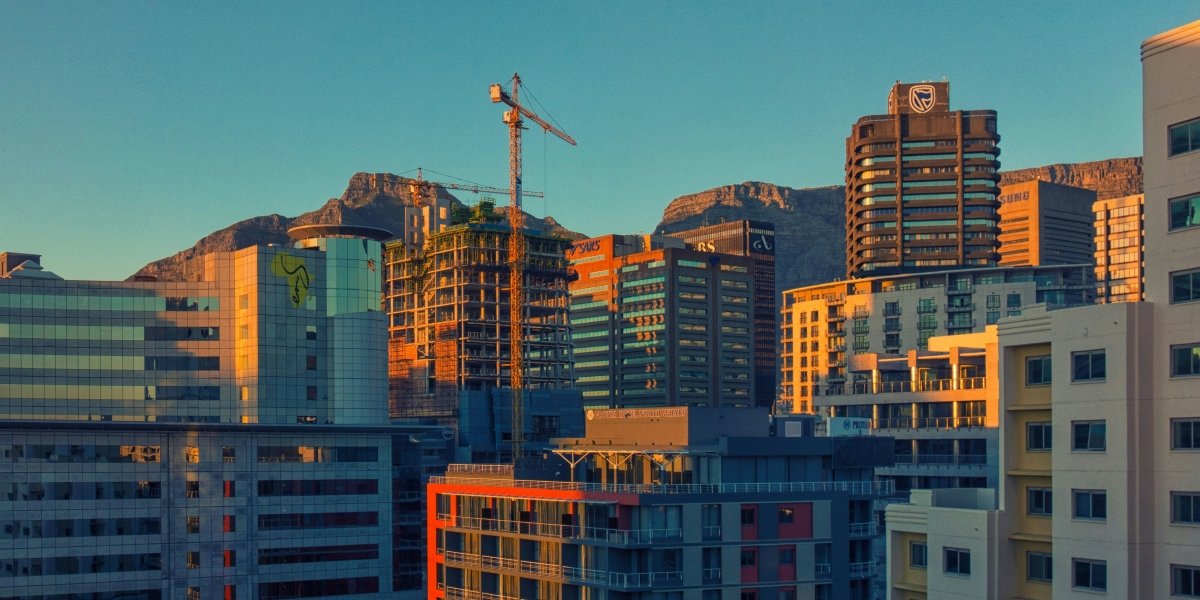

Urban populations are growing at an unprecedented pace. Cities are densifying, land is becoming more valuable, and developers are increasingly faced with the challenge of maximizing occupancy without compromising quality of life. Designing for density is no longer just about stacking units or increasing floor-area ratios—it is about creating environments that strive to balance efficiency, comfort, and experience. When approached thoughtfully, density can potentially enhance vibrancy, connectivity, and long-term community value.
Firms like Netta Architects approach high-density design not as a compromise, but as an opportunity: an opportunity to craft urban spaces that can feel expansive, livable, and socially engaging, even within constrained footprints.
The Principles of Human-Centered Density
Density often carries a negative connotation, associated with congestion, noise, and reduced personal space. The challenge for architects is to mitigate these impacts through design intelligence. Key strategies include:
- Strategic massing and setbacks: Breaking up large façades and creating step-backs can help prevent oppressive street walls and maintain a human scale.
- Natural light and ventilation: Carefully oriented building forms and courtyards may allow daylight to penetrate deep into interior spaces and support passive airflow.
- Shared outdoor spaces: Roof terraces, gardens, and landscaped courtyards provide residents with valuable breathing room and social interaction points.
- Circulation design: Thoughtfully planned corridors, staircases, and vertical cores help to reduce bottlenecks and facilitate intuitive movement.
By prioritizing human experience, density becomes a framework for social and spatial enhancement rather than mere capacity.
Integrating Mixed-Use Programs
High-density projects tend to perform best when they integrate complementary uses. Mixed-use planning—residential above retail, office above community amenities—activates buildings throughout the day and evening, creating more vibrant streetscapes.
By incorporating amenities such as co-working spaces, wellness facilities, and communal lounges, developers can increase the functional footprint without expanding the building’s physical footprint. Every square meter is typically optimized to serve multiple purposes, supporting both the residents and the surrounding community.
Biophilic Design in Dense Environments
Access to nature is often considered a critical determinant of well-being, even in dense urban settings. Vertical gardens, green roofs, interior plant walls, and landscaped terraces can mitigate the effects of urban congestion and promote health.
Biophilic elements are more than aesthetic enhancements—they may regulate microclimates, improve air quality, and reduce urban heat island effects. They have the potential to transform dense developments into restorative environments that encourage both physical and mental well-being.
Privacy, Acoustics, and Comfort
Maintaining privacy and comfort is crucial in high-density developments. Acoustic design, spatial separation, and intelligent layout may help prevent noise conflicts between units and communal spaces. Balconies, terraces, and semi-private zones can provide residents with personal outdoor retreats without expanding the building footprint.
These interventions can help ensure that residents perceive space as generous and livable, even when density is high.
Smart Infrastructure for Dense Living
Technology plays a crucial role in making dense environments functional and enjoyable. Automated access control, intelligent energy management systems, and smart building controls are designed to reduce friction in daily life. Residents are likely to experience seamless convenience while developers and facility managers gain operational efficiency.
Smart integration also supports sustainability, lowering energy consumption and reducing the environmental impact of dense developments.
Economic and Social Advantages
High-density, well-designed projects often lead to increased economic efficiency. They maximize land use, reduce infrastructure strain, and create more vibrant communities. Carefully integrated design typically enhances property values and attracts long-term tenants who value both convenience and quality of life.
Socially, dense developments have the potential to foster community interaction, shared responsibility for communal spaces, and stronger neighborhood cohesion. When residents feel connected, they are more likely to invest in their surroundings, further enriching the urban environment.
The Balance of Form and Experience
Density does not necessarily have to result in compromise. Through careful planning, architectural intelligence, and strategic integration of amenities and green spaces, high-density living can deliver both efficiency and an exceptional user experience.
The future of urban development may depend on this balance. Cities must grow, but growth should not come at the expense of livability. Architects should aim to design buildings that respect scale, enhance community, and provide comfort while maximizing occupancy.
Designing for density is an exercise in thoughtful restraint, creativity, and precision. When done well, dense urban environments can be not just efficient—they may become vibrant, resilient, and enduring spaces where people will want to live, work, and thrive.