
YouTube creators including Mark Vins are entering feature filmmaking as projects such as Obsession and Backrooms reach U.S. theaters. The development connects established online audiences with traditional movie production, giving creators with experience building digital communities a route into Hollywood feature projects.
Key Takeaways
- YouTube creators are moving from online video into feature filmmaking.
- Mark Vins, co-founder of Brave Wilderness, is among the creators entering filmmaking.
- Creator-led projects including Obsession and Backrooms have reached the U.S. theatrical market.
- YouTube audience data gives creators information about viewer behavior and content preferences.
- Creator-built digital audiences can connect directly with theatrical feature releases.
YouTube Creators Enter Hollywood Feature Filmmaking
Creators who built audiences through YouTube are moving into feature filmmaking, with Obsession and Backrooms providing recent examples of creators taking projects from online video to U.S. theaters.
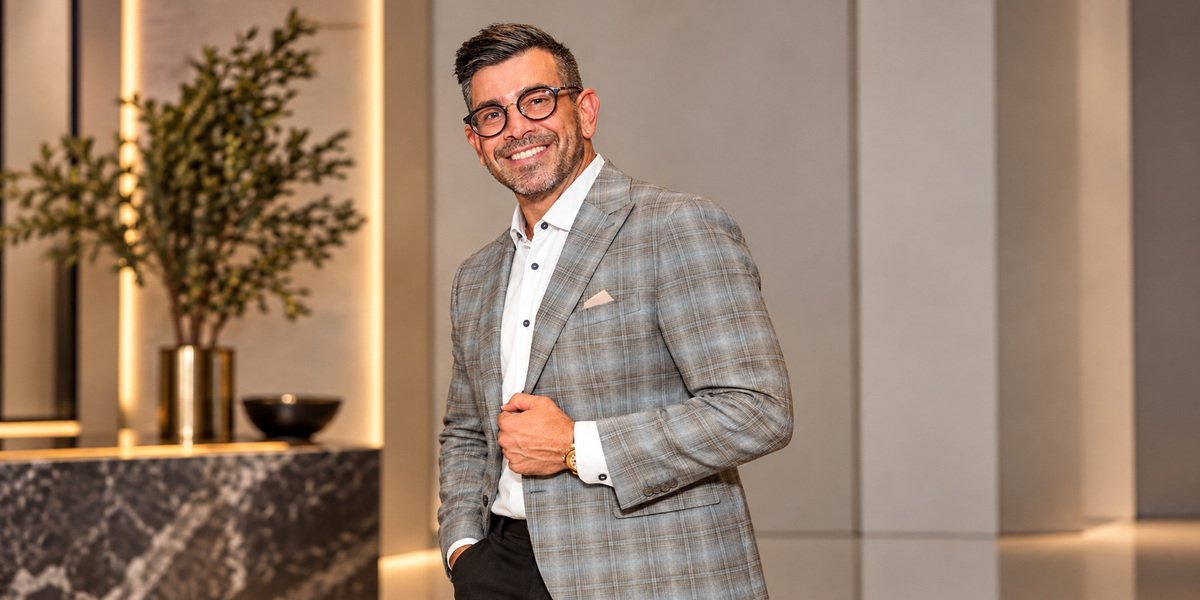
The development includes Mark Vins, co-founder of the YouTube channel Brave Wilderness, who has moved from digital creator work into filmmaking. Vins is part of a group of online creators whose experience producing videos for established audiences has become relevant to feature-film production.
The move from YouTube to theatrical filmmaking involves more than transferring an existing audience to a cinema release. Creators entering feature production can bring experience developing concepts, producing video, editing footage and responding to audience behavior through digital platforms.
The growing interest from established entertainment companies is also reflected in Hollywood studios exploring YouTube creators for film projects, with creator-developed work receiving attention as a source of filmmaking talent.
Obsession and Backrooms illustrate two different paths from YouTube into feature films. Curry Barker directed Obsession after building an audience through YouTube comedy and short-form video. Kane Parsons directed Backrooms after developing the concept through his YouTube work.
Both projects reached the U.S. theatrical market after their directors established their creative identities online. Their releases placed creator-led filmmaking alongside conventional studio and independent productions.
YouTube has also provided creators with a direct way to observe audience response to their work. Viewer activity can give creators information about which subjects, formats and creative choices attract attention before they develop those ideas into longer projects.
That audience relationship gives creator filmmakers a different starting point from directors whose work is first evaluated through traditional industry channels. The creators already have public portfolios and communities built around their video work.
Mark Vins Expands From YouTube Into Film
Mark Vins is known as a co-founder of Brave Wilderness, the YouTube channel built around wildlife and outdoor content. His work on the platform established experience in producing video for a large online audience before his involvement in feature filmmaking.
The creator-to-filmmaker path represented by Vins differs from the routes taken by Barker and Parsons, whose recent theatrical projects are horror films. The common element is the use of YouTube as a production environment where creators develop video skills and establish direct relationships with viewers.
Barker built his audience through the YouTube channel that’s a bad idea, where he and collaborator Cooper Tomlinson published comedy and horror material. His online work included short films before he moved into feature production.
Parsons developed Backrooms through YouTube before the concept became a feature film. His earlier videos established the visual world and horror concept that later appeared in the theatrical adaptation.
The two filmmakers demonstrate how an online project can serve as an early stage for feature development. A creator can publish shorter work, observe audience reactions and develop a recognizable creative style before taking on a feature-length production.
YouTube’s role in that process also gives creators a distribution platform before they have access to conventional film distribution. Their work can reach viewers without first requiring a theatrical release, television deal or traditional studio acquisition.
Many creators are also building physical production operations rather than relying entirely on home-based setups. Recent expansion of creator studios in Burbank shows how some digital-first businesses are using dedicated facilities, production staff and entertainment infrastructure.
For creators, the production process can therefore extend beyond individual videos. Skills developed through online production can include writing, directing, editing, visual effects, sound and audience development, all of which can contribute to longer-form filmmaking.
The experience does not eliminate the production requirements associated with feature films. Creator-led projects still require financing, production teams, distribution arrangements and theatrical partners when they move into cinemas.
Creator-Led Films Reach U.S. Theaters
Obsession and Backrooms provide the clearest examples in the blueprint of creator-led projects reaching the U.S. theatrical market.
Obsession was directed by Curry Barker and developed after his work as a YouTube creator. The film brought a filmmaker with an established online audience into the feature-film market.
Backrooms was directed by Kane Parsons and expanded a concept he had previously developed through YouTube into a full-length feature. The theatrical release connected a project rooted in online video culture with conventional cinema distribution.
The releases also show that creator-led filmmaking can cover different creative approaches. Barker’s work developed from sketch comedy and short-form video, while Parsons built Backrooms around an online horror concept.
Their paths demonstrate that there is no single format for creators moving into feature films. Online creators can arrive from comedy, horror, educational content, entertainment channels or other forms of digital video.
The U.S. theatrical market provides another layer of distribution beyond a creator’s existing YouTube channel. Instead of relying solely on online viewing, a feature can be presented through cinemas and marketed as a conventional movie release.
That transition also changes the way audiences encounter creator work. Viewers who know a creator through YouTube can become potential moviegoers, while theater audiences can encounter filmmakers whose careers began outside the traditional film system.
The distinction is particularly relevant for creators with established digital communities. A creator’s previous work can provide audiences with familiarity before a feature reaches theaters, although the feature itself remains a separate production.
For the film industry, creator-led releases provide examples of filmmakers entering feature production after developing their work publicly online. Obsession and Backrooms are among the projects that have connected YouTube-originated creative work with theatrical distribution.
YouTube Audience Data Supports Filmmaker Decisions
YouTube gives creators data on viewing behavior, retention and engagement, providing insight into which subjects and formats attract audiences.
For creators developing feature projects, those signals can inform creative decisions before production begins. A history of online publishing also gives filmmakers repeated audience responses rather than a single reaction to a finished film.
Audience data does not guarantee a film’s performance, but it can help creators understand viewer preferences and build on established audiences. This connection is reflected in creator-led films such as Backrooms, which developed from a YouTube concept, and Obsession, which followed Barker’s online comedy and horror work.
Creator Audiences Connect With Theatrical Releases
The move from YouTube to theaters gives creators another distribution path for work developed through digital media. Online audiences can follow creators through regular videos, while theatrical releases provide a separate format for feature-length projects.
Obsession and Backrooms demonstrate different creator pathways into filmmaking. Barker developed through YouTube comedy and horror videos, while Parsons expanded an online horror concept into a feature film.
Mark Vins represents another route, moving from YouTube and his work as a Brave Wilderness co-founder into filmmaking. His transition shows how creators from different genres can apply their online production experience to feature projects.
The theatrical releases of Obsession and Backrooms place creator-led films in the U.S. movie market. Their development connects digital audiences and established online work with traditional feature-film distribution.
Frequently Asked Questions
Which YouTube creators are moving into Hollywood filmmaking?
Creators including Mark Vins, Curry Barker and Kane Parsons have moved from YouTube-based work into filmmaking. Barker directed Obsession, while Parsons directed Backrooms.
Who is Mark Vins?
Mark Vins is a co-founder of the YouTube channel Brave Wilderness. His work has focused on digital video before his involvement in filmmaking.
Which creator-led films have reached U.S. theaters?
Obsession and Backrooms are creator-led feature films that reached the U.S. theatrical market. Curry Barker directed Obsession, and Kane Parsons directed Backrooms.
How does YouTube audience data help creators make films?
YouTube provides creators with information about how viewers interact with their videos. Those audience signals can inform decisions about subjects, formats and creative approaches.
What is the connection between YouTube audiences and feature films?
Creators can build audiences through online video before developing feature-length projects. Theatrical releases then provide another distribution channel for films made by creators who began their careers on YouTube.