
Emergency medicine moves at a relentless pace. Decisions are made in minutes, sometimes seconds. The margin for delay is small, and the consequences are significant. In regions where hospitals serve vast geographic areas, that pressure intensifies. West Texas presents exactly that environment.
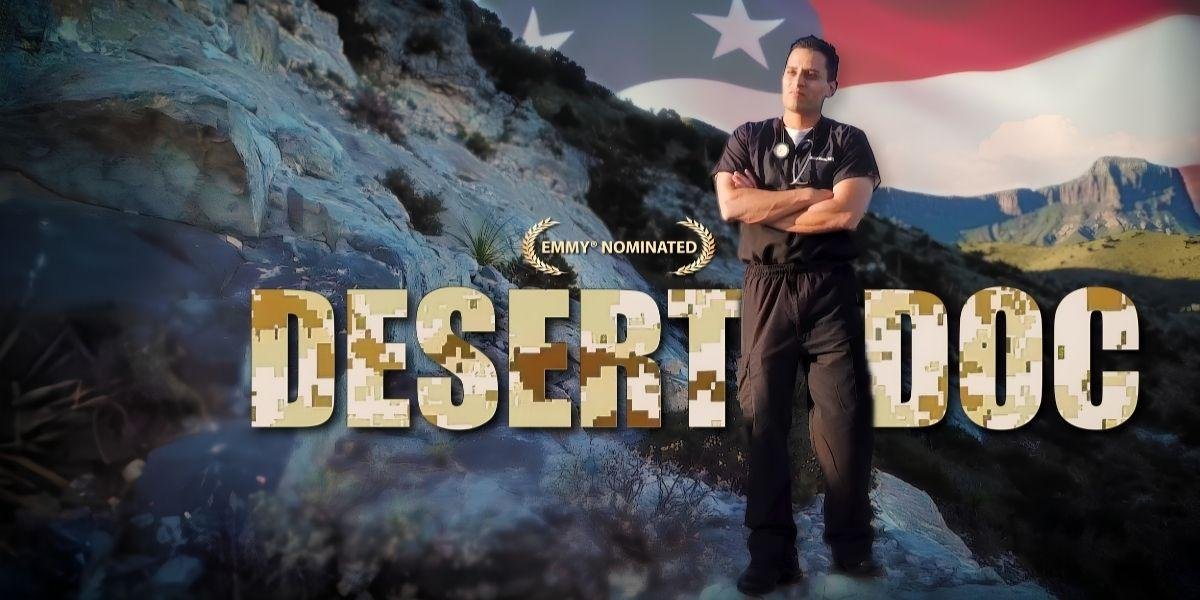
Desert Doc documents this reality inside Medical Center Hospital in Odessa, Texas. Patients often travel long distances before reaching definitive care. The emergency department manages trauma, critical illness, and complex cases tied to the oil industry and remote highways. The scale of responsibility shapes every shift.
Environmental and logistical pressures play a central role in West Texas medicine. Harsh weather, rural roadways, and industrial worksites create unique injury patterns. Long transport times can complicate stabilization efforts. Coordination between first responders and hospital teams becomes essential. The region demands preparation that goes beyond routine protocol.
Rural healthcare systems face challenges that differ significantly from those in large metropolitan areas. Hospitals serving widespread geographic regions often care for patients who arrive later in the course of an illness or injury due to travel distances. Access to specialty services may require coordination with facilities hundreds of miles away. Emergency departments frequently serve as the first point of contact for a broad range of medical needs, from routine emergencies to highly complex trauma cases. In these settings, adaptability becomes a critical skill. Medical teams must be prepared to manage diverse situations while maintaining the capacity to respond quickly when severe emergencies occur.
Odessa Fire Rescue is a critical part of that system. Dr. Sudip Bose serves as Medical Director for the department. His role connects field response with hospital-based care. This alignment strengthens continuity from the moment of dispatch to treatment in the emergency room. The collaboration is visible throughout the series.
Inside the hospital, physicians and nurses manage high-stakes cases with limited margin for error. Resource allocation must be efficient. Communication must remain clear under stress. Medical Center Hospital functions as a referral hub for surrounding communities. That responsibility influences staffing, training, and readiness.
Dr. Bose’s presence in the series adds context to the demands of the region. As a double board-certified emergency physician, he brings years of frontline experience. His work reflects both clinical precision and situational awareness. The series does not position him as a central personality but as part of a coordinated medical team. The focus remains on patient care and system-level response.
Desert Doc also highlights the complexity of real-time medical decision-making. Physicians must weigh incomplete information while acting quickly. Diagnostic tests, patient history, and trauma assessments converge in compressed time frames. The camera records these moments without dramatic enhancement. What emerges is a portrait of medicine grounded in responsibility.
At its core, the series illustrates resilience. Emergency teams in West Texas prepare for a wide range of scenarios, from motor vehicle collisions to critical medical crises. Preparation involves training, coordination, and experience. It also requires mental endurance. The demands do not pause, and neither does the need for readiness.
Public interest in real-world medical stories continues to grow. Audiences often seek insight into professions that operate beyond daily visibility. Desert Doc meets that interest by focusing on real cases within a defined community. It neither amplifies conflict nor minimizes complexity. The result is a steady portrayal of emergency medicine under regional pressure.
By documenting care inside one of the country’s largest hospital service areas, the Desert Doc series provides insight into a system built on coordination and rapid response. The pace is constant. The geography is expansive. The responsibility is shared. Through real footage and grounded storytelling, the series captures the daily discipline required to practice emergency medicine in West Texas.
Disclaimer: The content of this article and the Desert Doc series is intended for informational and educational purposes only. It reflects real-world practices in emergency medicine as observed at Medical Center Hospital in Odessa, Texas, and does not constitute medical advice. Patient cases and scenarios are presented with respect for privacy and confidentiality, and outcomes may vary. Readers should not rely on this information for diagnosis or treatment of any medical condition. Always consult a qualified healthcare professional for personal medical concerns. The series aims to provide insight into the challenges of emergency medicine in West Texas and is not intended to endorse specific procedures, treatments, or healthcare providers.