
Influencer trips are becoming smaller, shorter and more flexible as brands including Mango, J.Crew, TRESemmé, Rhode, Gucci and Net-a-Porter rethink how creator travel campaigns are structured and measured. The shift matters because marketers are looking beyond reach alone, using engagement, earned media value, social listening and longer-term advocacy to assess impact.
Key Takeaways
- Brands including Mango, J.Crew, TRESemmé, Rhode, Gucci and Net-a-Porter have used creator trips as part of recent marketing campaigns.
- J.Crew has favored shorter trips with fewer prescribed activities, giving participating creators greater flexibility.
- Mango has evaluated creator campaigns using social listening and earned media value alongside visibility.
- Brands are considering organic engagement, reusable content and longer-term creator advocacy when assessing campaign performance.
- Swan Beauty sponsored a creator’s bachelorette trip, illustrating an alternative to the conventional brand-organized influencer trip.
Mango, J.Crew, TRESemmé, Rhode, Gucci and Net-a-Porter are among the brands that have used creator travel as part of their marketing activity. The examples point to a broader focus on audience fit and the content produced around an experience rather than simply the number of creators invited.
Smaller groups can give brands more room to work with creators whose audiences align with a particular campaign. That approach also connects with the growing emphasis on long-term creator partnerships, where brands and creators continue working together beyond a single sponsored post or event.
The trip itself can also generate material across several stages, from preparation and travel to activities and follow-up posts. That gives brands more than one piece of content to evaluate once the experience ends.
J.Crew Shortens the Creator-Trip Schedule
J.Crew has favored shorter influencer trips with fewer prescribed activities for participating creators. The structure gives creators greater flexibility while keeping the brand involved in the overall campaign.
Rather than following a tightly fixed sequence of activities, creators have more opportunities to document the experience in formats that resemble their usual content. That can help keep the trip connected to the style and audience relationship that brought the creator into the campaign in the first place.
The approach reflects a wider focus on creator trust and audience fit when brands assess potential partnerships. Follower count remains one consideration, but audience response and the credibility of the creator-brand relationship can also influence how a campaign is evaluated.
Shorter schedules can still generate multiple pieces of content. Creators may publish during the trip and continue sharing related material afterward, giving brands more opportunities to review engagement and audience reaction.
Mango Expands How Campaign Impact Is Measured
Mango has evaluated creator campaigns through social listening and earned media value alongside visibility, adding more measures to the traditional focus on reach.
Social listening gives brands a way to examine conversations connected to a campaign. Earned media value is used to assess exposure generated through creator activity and related coverage.
These measures mean campaign evaluation does not have to depend on a single immediate outcome. Brands can also review the attention surrounding a campaign, the content creators produce and how audiences interact with that material.
For creators, this broader measurement approach places greater attention on factors beyond audience size. Organic engagement and content that continues attracting attention after a trip can also become part of the campaign record.
Creator Experiences Extend Beyond Traditional Brand Trips
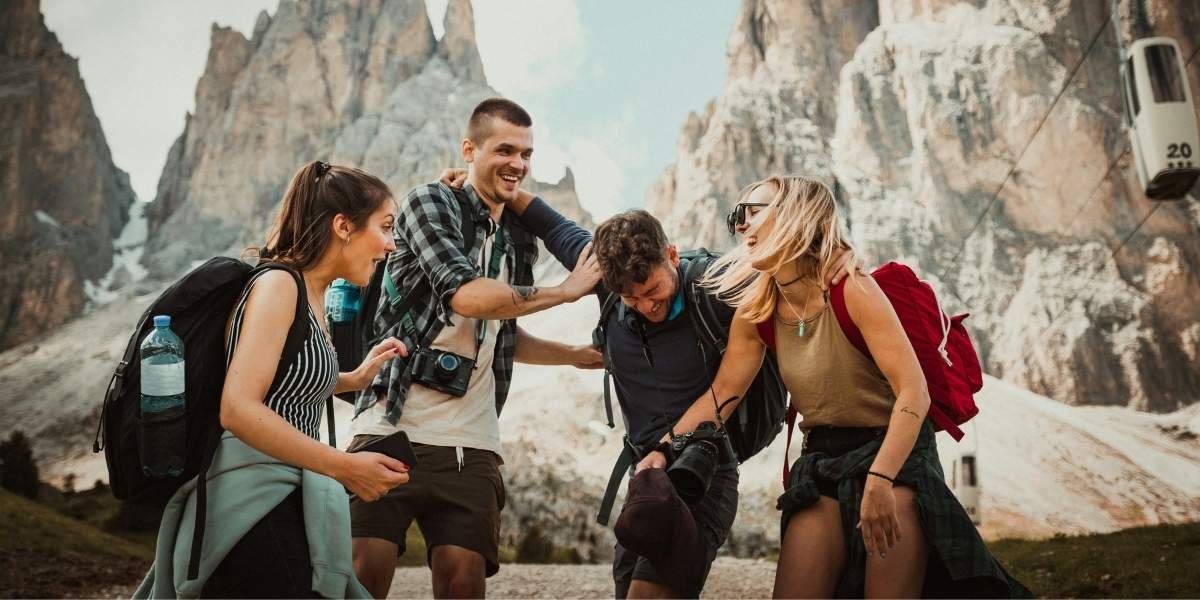
Not every creator travel campaign follows the conventional model of a brand organizing a dedicated trip around a group of influencers.
Swan Beauty, for example, sponsored a creator’s bachelorette trip. The arrangement connected the brand with an existing personal event rather than building a separate marketing itinerary around the campaign.
Other creators who attended the event could also contribute content and audience interactions. That created opportunities for the experience to appear across multiple accounts rather than being limited to one creator.
The example illustrates how creator campaigns can be built around experiences that already have their own context and content potential. Preparation, travel, activities and follow-up posts can each provide material that extends beyond the event itself.
Brands Broaden the Definition of Creator ROI
The changing structure of influencer trips is also changing how brands assess their value.
Reach and visibility remain relevant, but the examples involving Mango and J.Crew show how additional indicators can enter the evaluation. These can include earned media value, social listening, organic engagement, content output and the potential for longer-term creator advocacy.
Reusable content is another consideration. Material created during and after a trip can continue attracting engagement after the physical event has ended, allowing brands to evaluate more than the immediate activity surrounding the campaign.
For creators, the shift places greater emphasis on producing content that fits naturally within their existing channels. Brands can then consider how audiences respond, what conversations develop and how much useful content the experience generates.
Influencer trips are therefore becoming less defined by the size of the guest list or the length of the itinerary. The emerging approach focuses more closely on creator-audience fit, flexible content opportunities and multiple measures of campaign performance.
Frequently Asked Questions
What are influencer trips?
Influencer trips are brand-supported travel experiences involving creators who produce social-media content connected to the event. Recent examples show brands experimenting with smaller groups, shorter schedules and more flexible activities.
Which brands have used influencer trips?
Mango, J.Crew, TRESemmé, Rhode, Gucci and Net-a-Porter are among the brands identified in connection with creator travel campaigns. Their approaches illustrate how influencer trips can be incorporated into fashion, beauty and lifestyle marketing activity.
How does J.Crew structure its creator trips?
J.Crew has favored shorter trips with fewer prescribed activities for participating creators. The format gives creators more flexibility to document the experience in ways that fit their existing content.
How does Mango measure creator campaign performance?
Mango has used social listening and earned media value alongside visibility when evaluating creator campaigns. These measures provide additional ways to assess audience response and the exposure surrounding a campaign.
How are brands measuring influencer trip ROI?
Brands can consider visibility, earned media value, social listening, organic engagement, reusable content and longer-term creator advocacy when assessing influencer trips. These measures allow campaign performance to be viewed through more than reach or audience size alone.