

By: Joah Faiello
For many athletes, the importance of maintaining shoulder health in boxing cannot be overstated. Shoulder failure, often resulting from sparring sessions, is a common issue that can hinder performance and lead to long-term injuries. Understanding the mechanics of the shoulder, recognizing the risks, and adopting preventive measures are crucial for any boxer aiming to stay at the top of their game.
The Anatomy and Importance of Shoulder Mechanics
The shoulder is a complex joint that plays a vital role in boxing. It provides the necessary range of motion for punches and defensive maneuvers. Maintaining stability and mobility in the shoulder is critical, as it supports quick, powerful strikes while allowing for agile movements around the ring. When the shoulder fails, it can significantly impact a boxer’s ability to perform, making injury prevention a high priority.
Causes of Shoulder Failure in Sparring
Several factors contribute to shoulder failure during sparring. Overuse and repetitive strain from continuous punching are primary causes. Poor punching technique can exacerbate the problem, leading to undue stress on the shoulder joint. Additionally, muscle imbalances and weaknesses in the shoulder girdle can result in improper movement patterns, increasing the risk of injury. Inadequate warm-up and cool-down routines also play a role, as they fail to prepare and recover the shoulder muscles effectively.
Traditional Bodybuilding: A Double-Edged Sword
While bodybuilding can build muscle mass, it’s not always beneficial for boxers. Traditional bodybuilding focuses on isolated muscle groups with heavy weights and low repetitions, aiming for maximum hypertrophy. This approach, while effective for size, can impede a boxer’s agility and speed. Excessive muscle mass can restrict the range of motion, making movements slower and less fluid. Furthermore, this type of training often leads to muscle imbalances, which can further affect performance and increase injury risk.

The Necessity of Mobility and Explosiveness
Boxing requires a unique combination of strength, speed, and agility. Mobility allows fighters to move effortlessly around the ring, dodging punches and maintaining balance. Explosiveness is crucial for delivering quick, powerful strikes. Training that emphasizes these attributes is essential for any boxer looking to excel. Without maintaining mobility and explosiveness, even the strongest fighter may find themselves outmaneuvered by a more agile opponent.
Adapting Weight Training for Boxing
To train effectively, boxers need to incorporate weights in a way that enhances their performance without adding unnecessary bulk. This involves adopting a different approach to resistance training—one that focuses on functional strength and speed. Boxers should aim for exercises that mimic the movements they use in the ring, ensuring that they build strength without compromising their technique.
Tools for Effective and Safe Training
Several tools can help boxers incorporate resistance training into their routines without sacrificing agility. Hand weights, resistance bands, and 24oz gloves each offer unique benefits:
- Hand Weights: While beneficial for some aspects of training, hand weights can disrupt the natural balance of the arms, potentially leading to improper punching mechanics and increased risk of injury. They can also slow down punches, affecting speed and timing.
- Resistance Bands: These are excellent for adding resistance while allowing for a full range of motion. They help improve strength and speed while also enhancing technique, making them a versatile tool for any boxer.
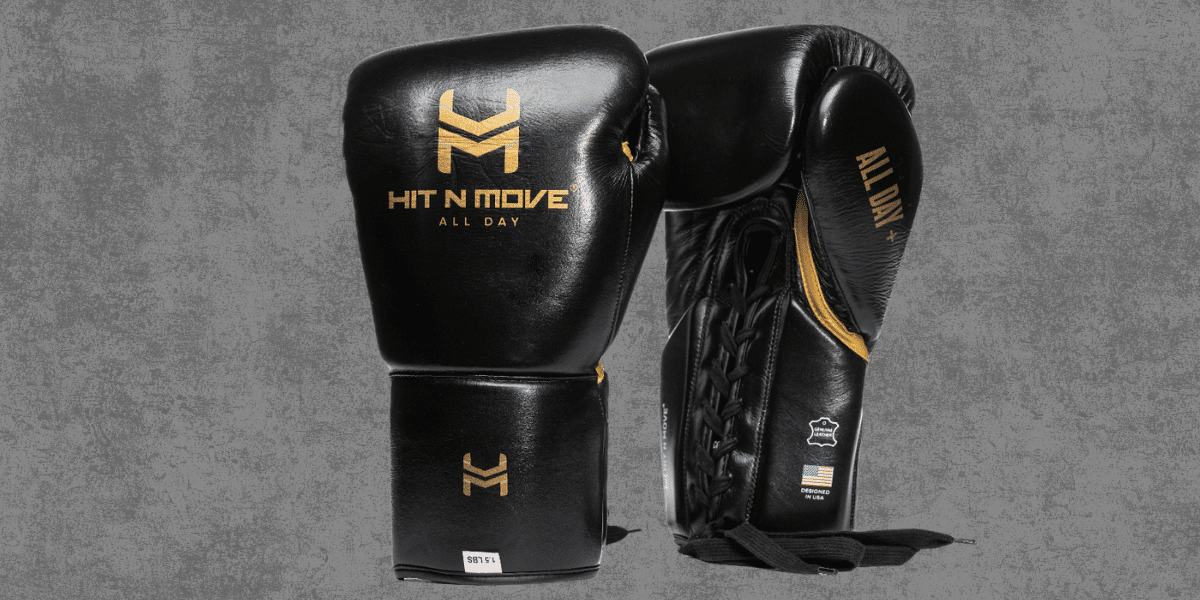
- 24oz Gloves: Perhaps the ideal option for serious training, 24oz gloves distribute weight more naturally around the hand and wrist, preserving proper punching form and reducing the risk of joint stress and injury. They allow boxers to train with resistance while maintaining the correct technique and protecting joint health.
Preventative Measures for Shoulder Health
Preventing shoulder failure involves more than just choosing the right equipment. Proper warm-up routines are essential to prepare the shoulder muscles for the demands of training. Boxers should also focus on maintaining good punching form to reduce stress on the shoulder joint. Balanced strength training can help avoid muscle imbalances, ensuring that all muscle groups around the shoulder are equally developed. Effective cool-down practices are equally important, as they aid in muscle recovery and reduce the risk of overuse injuries.

Innovators in Boxing Equipment: Ozhan Akcakaya and Hit N Move
Ozhan Akcakaya, the founder and CEO of Hit N Move, has made significant contributions to boxing training. His company specializes in creating equipment that enhances performance while prioritizing athlete safety. Hit N Move’s 24oz gloves, for instance, are designed with a deep understanding of boxing mechanics, offering the perfect balance of weight and support. This ensures that boxers can train effectively without compromising their technique or risking injury. Alaina Akcakaya, Ozhan’s wife, serves as the VP of Public Relations for Hit N Move, playing a pivotal role in promoting the company’s innovative approach to boxing training.
Conclusion
Maintaining shoulder health is critical for boxers, and understanding the risks and preventive measures can make a significant difference. While traditional bodybuilding techniques may not be suitable for boxers, there are effective ways to incorporate resistance training that enhance strength, speed, and agility. Tools like resistance bands and 24oz gloves offer the best of both worlds, providing resistance while preserving the crucial elements of boxing technique and mobility. By integrating these strategies into their training routines, boxers can achieve their peak potential in the ring without the drawbacks of traditional weightlifting.
Published by: Holy Minoza