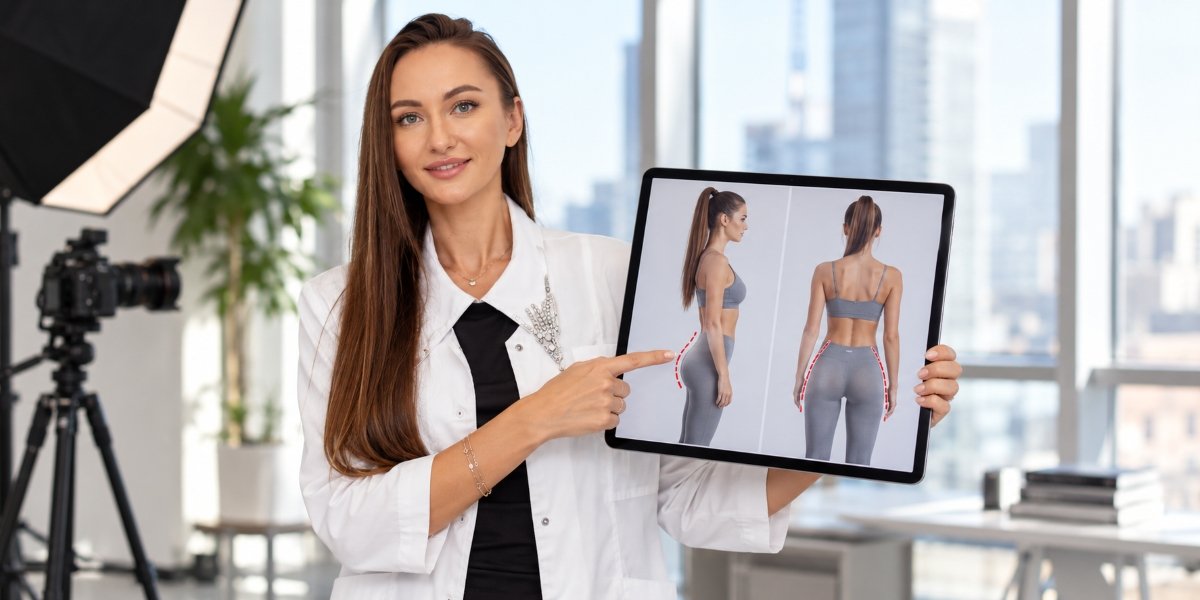
Social media platforms such as TikTok and Instagram have seen a surge in popularity for so‑called “skinny‑fluencers,” creators whose content promotes extremely thin body types. These influencers often showcase their fashion choices, lifestyle routines, and daily meals, captivating millions of viewers. While some audiences view this content as aspirational, health experts are voicing concerns over its impact on body image, particularly among younger users.
This trend, commonly observed in fashion hauls and “what I eat in a day” videos, increasingly reaches a broad audience, feeding into a narrative where thinness is synonymous with success and desirability. As platforms continue to amplify such content, experts argue that the promotion of these ideals can have lasting consequences on self‑perception and mental well‑being.
Health Professionals Sound Alarm Over Body Image Risks
Studies show that exposure to social media content that glorifies extreme thinness is linked to unhealthy body image perceptions. Medical professionals, including psychologists and nutrition experts, warn that continuous engagement with these content creators can lead to distorted self‑perceptions. Particularly vulnerable groups, adolescents and young adults, are at heightened risk of internalizing these unrealistic standards.
Health professionals note that the constant comparison to these influencers can result in anxiety, poor body satisfaction, and even the adoption of restrictive eating behaviors. Research on adolescent body image consistently shows that exposure to idealized body types fosters unhealthy social comparison, fueling negative body image and eating disorders.
Furthermore, organizations focused on promoting healthy body image and eating disorder prevention have raised concerns about the “skinny‑fluencer” trend. They emphasize that platforms should encourage content that showcases a diverse range of body types to offer a healthier and more inclusive representation of beauty and wellness.
Pushback from Audiences and Growing Calls for Inclusivity
As the “skinny‑fluencer” trend spreads, audience reactions have become increasingly polarized. While some users continue to idolize the aesthetics presented by influencers, others are raising concerns about the emphasis on extreme thinness. Social media discussions are now filled with calls for more inclusive content that embraces a variety of body shapes and sizes.
Body‑positive movements, amplified by hashtags promoting self‑acceptance, are gaining momentum as a counterforce to these restrictive beauty standards. As users demand more authentic and diverse content, influencers advocating for body positivity are carving out their own space online. This shift reflects a broader conversation about the importance of media literacy, as younger audiences, in particular, need tools to distinguish between fantasy and realistic health practices.
The debate underscores the ongoing struggle between aspirational content and the necessity of balanced representation in media.
Social Media Platforms Face Scrutiny Over Content Algorithms
Platforms like TikTok and Instagram are under increased scrutiny for their role in amplifying “skinny‑fluencer” content. Critics argue that social media’s algorithmic structures—designed to prioritize highly engaging content—often promote posts that reinforce unrealistic body ideals. In turn, these algorithms can inadvertently elevate content that perpetuates harmful beauty standards, making it harder for more inclusive or diverse content to gain the same visibility.
In response to mounting pressure, some platforms have introduced measures to mitigate potential harm. TikTok, for example, has restricted content related to unhealthy weight loss and extreme dieting, removing certain tags like #SkinnyTok. However, the issue persists, as content related to unhealthy beauty ideals often resurfaces through other channels or under different hashtags.
Despite efforts to moderate harmful content, advocacy groups continue to call for greater accountability and more robust content moderation strategies. Many experts suggest that the social media industry must do more to promote positive body image and mental health resources proactively, rather than merely reacting to public outcry.
“Skinny‑fluencer” Trend Reflects Larger Cultural Issues
The rise of skinny‑fluencer content is not just a passing trend but part of a broader cultural shift toward beauty ideals in the digital age. For years, the fashion and lifestyle industries have grappled with the portrayal of thinness, but social media has amplified these dynamics on a global scale.
As influencers build followings based on aspirational imagery, the way these standards are adopted by younger users raises significant concerns. These influencers, with their large platforms and immense reach, play a role in shaping perceptions of beauty, health, and success. However, this trend also raises questions about what constitutes responsible messaging and how creators can balance their content with positive body image promotion.
The conversation surrounding skinny‑fluencers highlights the tension between idealized content that many consumers still crave and the growing demand for more inclusive representation. As social media continues to evolve, these issues are unlikely to disappear, but the dialogue will undoubtedly shape future content creation on these platforms.
The Need for Diverse Representation in Digital Spaces
Social media, once hailed as a democratizing force, now faces challenges in ensuring diverse and responsible representation. The spotlight on skinny‑fluencers is one such example of how narrow beauty standards persist in digital spaces, and the repercussions for body image are increasingly recognized.
Advocates stress the importance of fostering an inclusive digital environment where people of all shapes and sizes can be represented, celebrated, and empowered. As more audiences call for positive change, creators and platforms alike will need to rethink the messages they share.
These developments reflect an evolving understanding of the role that digital influencers play in shaping cultural perceptions. The need for diversity, inclusion, and mental health support in the content we consume has never been more urgent. In the coming years, both creators and platforms will face greater pressure to consider the lasting impact of their content on audiences’ well‑being and perceptions of beauty.