
By: Laura Zanky
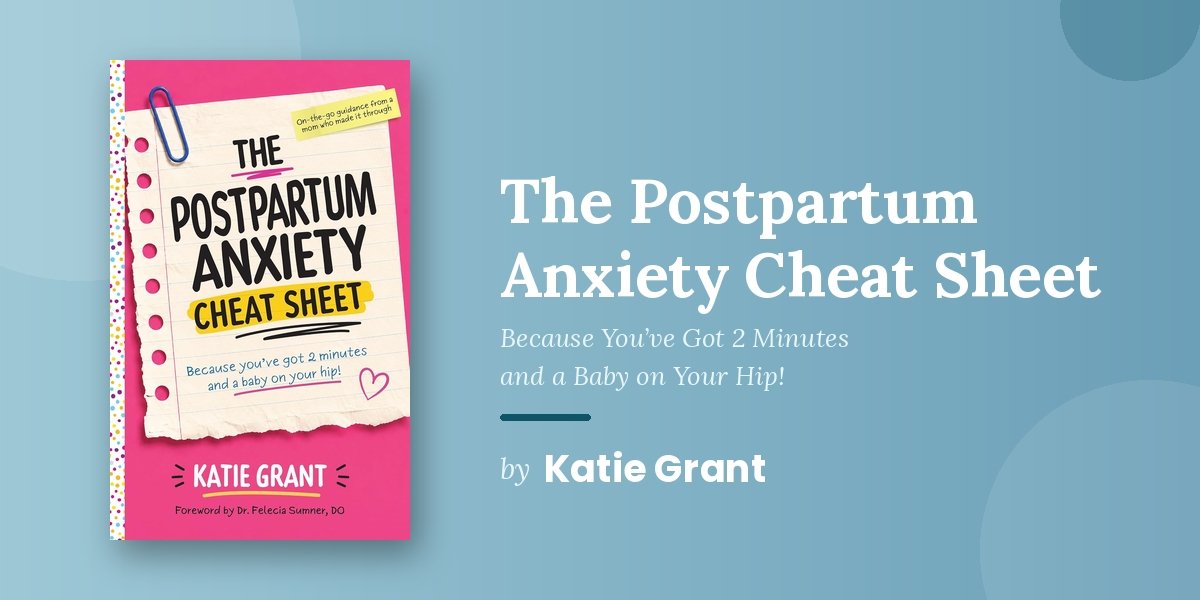
There is a meaningful distinction between a resource that is theoretically helpful and one that is actually helpful, and the gap between those two things in the postpartum anxiety space has never been adequately acknowledged or addressed. The Postpartum Anxiety Cheat Sheet by Katie Grant is the resource that finally bridges that gap by starting from the right premise: that the new mother who needs help managing postpartum anxiety is doing so in the actual conditions of new motherhood, with a baby who needs her attention and an anxiety that does not wait for convenient moments and a self that is running on a level of sleep deprivation that makes extended engagement with therapeutic content functionally impossible.
That starting premise changes everything about what the book is and how it works. It is organized for quick access rather than sustained reading. Its tools are designed for immediate deployment rather than extended practice. Its language is warm and clear rather than clinical and distancing. And its structure reflects the specific way that new mothers actually encounter information during the postpartum period, in fragments, in the spaces between feedings and diaper changes and the demanding and relentless work of keeping a small human alive, rather than in the extended uninterrupted reading sessions that the existing literature generally assumes.
Postpartum anxiety is one of the most common and most consistently undertreated conditions of the new parent period, affecting a significant proportion of new mothers who often do not recognize what they are experiencing as a specific condition with a name and with effective management strategies. Many of them have been told that what they are feeling is just the adjustment to new motherhood, just the normal anxiety of caring for a new baby, just something that will pass. Grant gives them something more useful than that dismissal: the recognition that what they are experiencing is real and specific and manageable, and the practical tools to begin managing it in the two minutes they have available rather than the hour they do not.
The cheat sheet format that gives the book its title and its organizing structure is not a concession to limited attention spans. It is an acknowledgment of the actual conditions of the person it is designed to serve, an act of genuine respect for the reality of new motherhood that most health resources never quite manage to offer. Grant has written something that takes its reader seriously enough to meet her where she actually is, and that quality of genuine respect is what makes the book work.
If you are a new mother managing postpartum anxiety in the only conditions available to you right now and want a resource that was built for those conditions rather than for an easier version of them, The Postpartum Anxiety Cheat Sheet by Katie Grant is exactly that resource. Grab your copy on Amazon today and get the help that was always supposed to be this accessible.
Disclaimer: This article is provided for general informational and educational purposes only and does not constitute medical, mental health, psychological, or therapeutic advice. Postpartum anxiety can affect individuals differently and may require evaluation, diagnosis, or treatment from a qualified healthcare or mental health professional. The information and resources discussed, including The Postpartum Anxiety Cheat Sheet by Katie Grant, are not intended to replace professional medical or mental health care. Readers experiencing persistent, severe, or concerning symptoms should consult an appropriately licensed healthcare professional for individualized guidance. Any discussion of symptoms, prevalence, coping strategies, or practical tools is provided for general informational purposes and does not guarantee that a particular approach will be effective or appropriate for every individual.