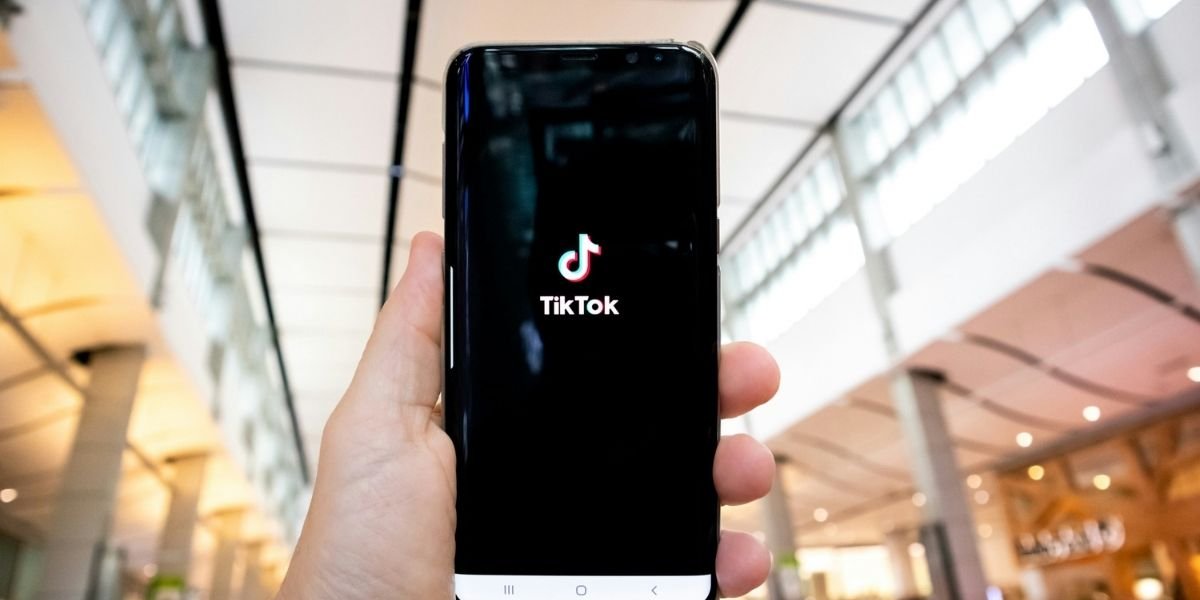

As 2025 wraps up, TikTok remains a dominant force in shaping digital culture and social media trends. From brain rot memes to viral product sales through TikTok Shop, the platform continues to redefine how entertainment, commerce, and digital identity intersect. This year has been marked by rapid innovation, where creators pushed the boundaries of what’s possible, creating viral moments that captivated millions.
TikTok’s ability to foster quick, engaging content has evolved with its audience, embracing both absurd humor and immersive shopping experiences. With TikTok Shop becoming more integrated into the platform and memes growing increasingly complex and chaotic, the lines between entertainment and commerce continue to blur. The 2025 TikTok Wrap offers a look at how these trends are shaping the future of social media and what to expect next as TikTok continues to evolve.
In this wrap-up, we’ll break down the key trends that defined TikTok in 2025, from viral memes to shopping madness, and explore how these moments will influence the future of digital content.
Brain Rot Memes: TikTok’s Absurd New Trend
In 2025, brain rot memes have emerged as one of the most talked-about trends on TikTok, captivating younger audiences with their chaotic, absurd humor. These short, unpredictable clips often feature distorted audio, rapid edits, and surreal humor that keeps viewers engaged. While these memes might seem nonsensical, their growing popularity highlights how content has evolved to match the fast-paced, overstimulating nature of modern digital life.
The allure of brain rot memes lies in their ability to entertain and reflect the fragmented nature of online culture. They embrace the randomness of the internet, offering viewers something unexpected and quick to consume. This trend is a stark departure from more traditional, structured content, focusing on sheer unpredictability that matches the attention span of today’s social media audience.
For creators, the appeal of these memes is clear: they allow for fast, engaging content that doesn’t require polished production. They thrive on humor, absurdity, and the power of surprise, making them a perfect fit for TikTok’s format. As the platform evolves, this meme genre shows how humor adapts to the rapid consumption cycle and constantly changing digital environment.
TikTok Shop: The New Marketplace for Viral Sales
In 2025, TikTok Shop has become an integral part of the platform, seamlessly blending commerce with entertainment. Products no longer need traditional ads to gain popularity. Instead, they go viral through creative demonstrations, viral challenges, or influencer endorsements. TikTok Shop has transformed shopping into an interactive experience, turning product discovery into a shared event where users feel like they’re participating in a broader cultural moment.
This shift is crucial for brands and influencers alike. Instead of relying on static ads, TikTok creators use their influence to integrate products into lifestyle showcases or memes, making the shopping experience feel natural and part of the digital narrative. The items that go viral on TikTok Shop often become more than products — they become part of the conversation. Whether it’s a new gadget, fashion item, or even a snack, TikTok has made buying feel like joining a digital movement.
The success of TikTok Shop is not just in its sales numbers but in how products become embedded in the community’s conversation. With sales driven by engagement and viral trends, shopping through TikTok has become a cultural event in itself, redefining consumer behavior. As this trend grows, creators and brands will likely continue to embrace this model, making TikTok Shop a dominant force in digital commerce.
Viral Content: Social Currency in the TikTok Era
On TikTok, virality is more than just visibility — it’s become a form of social currency. Creators and audiences alike view viral content as a key marker of relevance, shaping conversations across platforms. A trending video on TikTok can quickly influence fashion, music, language, and even day-to-day interactions, showing how quickly digital moments can infiltrate everyday life.
The unpredictability of virality is part of what makes TikTok so appealing. Some videos go viral because of their humor, while others resonate because of their relatability or novelty. What unites these viral moments is their ability to capture attention and inspire replication. Whether through remixes, duets, or spin-off memes, viral content sparks a cascade of participation, creating a chain reaction that amplifies the original idea.
For creators, virality represents a unique form of influence. It’s no longer just about producing content; it’s about creating something that can catch fire and become part of the digital zeitgeist. The social currency of virality on TikTok continues to reshape how influencers approach content, with many now focusing on creating moments that have the potential to go viral and engage a broader audience.
Generational Shifts in TikTok Culture
TikTok’s trends often highlight generational differences in how digital culture is experienced. Younger users are fully immersed in the platform’s meme-driven humor and viral challenges, embracing the spontaneity and fast pace of TikTok’s ecosystem. For them, TikTok isn’t just a place for entertainment — it’s a cultural hub where identity is shaped by trends and viral moments.
On the other hand, older generations tend to use TikTok more cautiously. While they engage with content, they often focus on practical videos like tutorials, lifestyle tips, or news. These users may be slower to adopt the chaotic, meme-heavy style of content that younger generations flock to, viewing it as less relevant to their own online experiences. However, many are also warming up to the platform as it continues to evolve and cater to a broader range of interests.
This generational divide illustrates how TikTok bridges gaps between age groups while also highlighting the differences in how digital trends are consumed. Younger audiences drive the platform’s culture forward, while older generations contribute a steady presence, often focused on more structured content. This dynamic keeps TikTok relevant across all age groups, showing how the platform evolves to cater to a diverse set of users.
The Future of TikTok Trends and Digital Culture
As TikTok continues to evolve, it’s clear that brain rot memes, viral sales, and other trends will remain a driving force in shaping digital culture. These trends reflect a shift in how entertainment, commerce, and humor intersect on social platforms. TikTok’s ability to adapt to the rapid pace of modern digital life ensures that its influence will only grow stronger in the coming years.
TikTok will likely continue to integrate even more interactive features, enhancing how users engage with trends and products. Memes will become more immersive, shopping will feel more seamless, and viral moments will become even more ingrained in daily life. The platform’s ability to evolve with its audience guarantees that TikTok will remain at the forefront of digital storytelling, commerce, and culture.
The question remains: will brain rot memes and viral product trends continue to dominate, or will new trends emerge to redefine how we consume and interact with content? The answer will shape not only TikTok’s future but also the broader evolution of digital culture in the U.S. and worldwide.