
TikTok micro influencers are securing larger brand campaigns and higher partnership fees as companies shift advertising strategies toward creators with smaller but highly engaged audiences. Marketing agencies, consumer brands, and digital creators across the United States are increasingly prioritizing niche TikTok personalities for sponsored campaigns tied to fashion, beauty, food, wellness, and consumer products.
The change has become more visible in recent months as companies adjust social media spending to focus on creators capable of producing direct audience interaction rather than relying solely on large follower counts. Agencies managing influencer campaigns say engagement metrics, audience trust, and conversion performance are becoming more important in negotiations with advertisers.
Several brands have expanded partnerships with creators whose audiences range from a few thousand followers to under 100,000, particularly on TikTok where recommendation algorithms can rapidly increase visibility regardless of account size. The development has also increased demand for creators who specialize in product reviews, tutorials, short-form storytelling, and livestream shopping content.
Digital marketing firms working with consumer brands reported that smaller creators are now receiving repeat campaign offers and longer-term agreements tied to product launches and social commerce initiatives. In some cases, creators previously working on one-time sponsorships are now negotiating monthly retainers, affiliate commissions, and platform-exclusive collaborations.
Creator Agencies Adjust Campaign Strategies
Talent agencies and influencer management firms are restructuring campaign strategies to accommodate growing demand for smaller creator partnerships. Agencies representing lifestyle, beauty, and entertainment personalities have expanded recruitment efforts for TikTok creators operating in highly specific audience categories.
Marketing executives involved in influencer campaigns said brands are increasingly requesting creators with strong engagement percentages instead of prioritizing overall reach. Audience interaction through comments, reposts, saves, and direct product inquiries has become a larger factor in sponsorship negotiations.
The shift has affected campaign planning across multiple sectors, including cosmetics, food delivery services, athletic apparel, consumer electronics, and home products. Companies are dividing advertising budgets among larger groups of creators rather than concentrating spending on celebrity influencers or high-profile internet personalities.
Several agencies have also introduced performance-based structures for TikTok partnerships. These arrangements include affiliate links, commission tracking, and sales-based compensation connected to TikTok Shop and external ecommerce platforms. The model allows advertisers to measure direct purchasing activity generated through creator content.
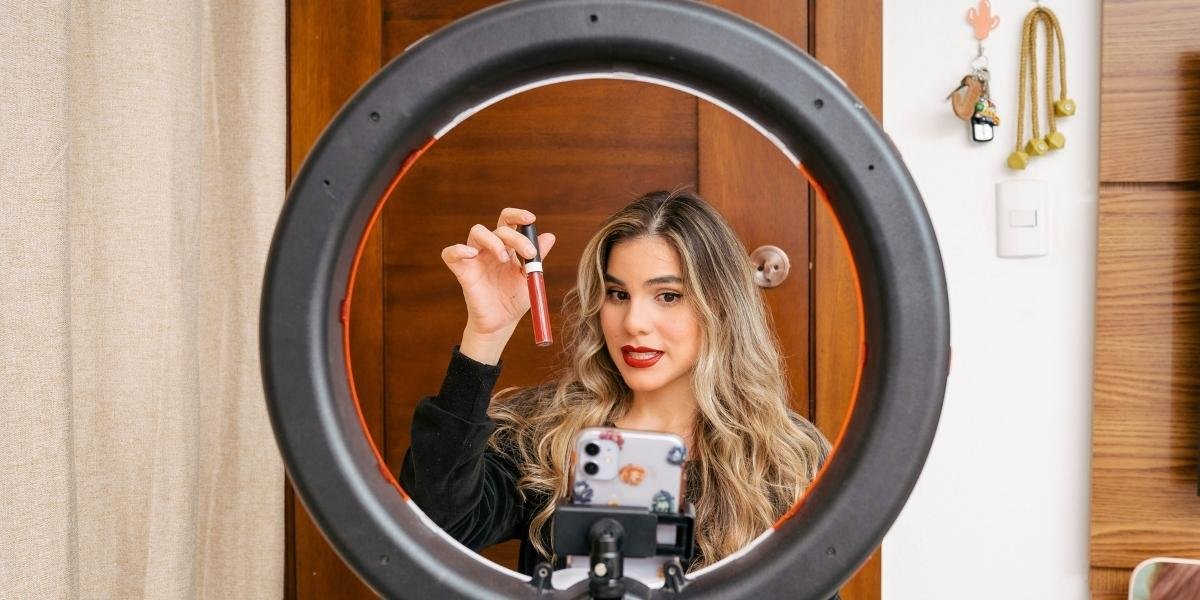
Short-form video production remains central to these campaigns. Brands continue prioritizing organic-looking videos filmed in homes, retail locations, or everyday environments instead of heavily produced advertisements. Marketing teams say audiences are responding more positively to informal content that blends into standard TikTok viewing habits.
Creator management firms in Los Angeles and New York have also increased staffing focused on TikTok commerce partnerships and campaign analytics. The growth reflects rising demand from advertisers seeking creators capable of generating measurable engagement and consumer purchasing activity.
Audience Engagement Becomes a Key Metric
Engagement performance has become one of the primary factors shaping negotiations between creators and advertisers. Marketing professionals increasingly evaluate creators based on audience interaction rates instead of total follower numbers alone.
TikTok’s content distribution system has contributed to the trend by allowing creators with relatively small audiences to reach large viewership numbers through viral recommendations. Videos posted by smaller creators can accumulate millions of views if engagement levels remain high shortly after publication.
As a result, advertisers are investing more heavily in creators whose audiences regularly comment, share, and respond to product recommendations. Brands have also become more selective about partnerships involving creators with large audiences but lower engagement activity.
Beauty and skincare campaigns have emerged as one of the most active sectors for micro influencer partnerships. Cosmetic companies frequently work with smaller creators who demonstrate product tutorials, before-and-after comparisons, and personal reviews through short-form videos.
Food and beverage brands have also expanded creator partnerships tied to cooking demonstrations, restaurant reviews, and product testing videos. Many campaigns now include TikTok Shop integrations that allow users to purchase featured products directly through the platform.
Retail brands targeting younger consumers have increasingly used creator-focused marketing strategies tied to limited product releases and seasonal campaigns. Fashion companies have partnered with creators specializing in styling videos, outfit showcases, and trend-based content.
The growing emphasis on engagement metrics has also influenced how creators structure their content. Many smaller TikTok personalities are focusing on community interaction, audience replies, and livestream sessions designed to increase viewer participation and retention.
TikTok Shop Expands Monetization Opportunities
The expansion of TikTok Shop has contributed significantly to the increase in creator partnership opportunities. The ecommerce feature allows creators to sell products directly through videos and livestream broadcasts, creating additional revenue channels beyond standard sponsorship agreements.
Brands working with TikTok creators have increasingly integrated direct sales tools into campaigns, particularly in beauty, personal care, household products, and fashion categories. Influencers participating in TikTok Shop campaigns often receive commission-based earnings linked to product purchases completed through their content.
Livestream shopping has become another growing area for creator monetization. Brands are hiring creators to host product demonstrations, answer audience questions, and provide limited-time promotional offers during live broadcasts. The format has become particularly popular among beauty and skincare companies targeting younger consumers.
Several consumer brands have also expanded creator affiliate programs connected to TikTok campaigns. These arrangements allow influencers to receive ongoing commissions for purchases generated through referral links or integrated platform storefronts.
Digital commerce consultants say TikTok’s ecommerce features have increased the commercial value of creators with highly responsive audiences. Smaller influencers capable of generating direct sales activity are becoming more attractive to advertisers compared with accounts focused primarily on entertainment or passive viewership.
The platform’s recommendation system has further strengthened opportunities for niche creators by exposing product-focused content to broader audiences beyond existing follower bases. This structure has encouraged brands to test campaigns with creators operating in specialized categories such as fitness equipment, home organization, parenting products, and cooking tools.
Some creators have also diversified income streams through subscription-based content, digital product sales, and platform-specific brand collaborations connected to TikTok visibility. The combination of sponsorships, affiliate revenue, and social commerce tools has expanded earning opportunities for creators operating outside celebrity influencer circles.
Advertising Budgets Shift Across Social Platforms
Changes in TikTok campaign strategies are influencing broader advertising decisions across Instagram, YouTube, and other social platforms. Marketing agencies are increasingly comparing engagement performance between celebrity influencers and smaller creator networks as brands prioritize audience interaction over follower size.
Companies investing in creator marketing have reported stronger engagement from campaigns involving multiple niche creators rather than single high-profile personalities. Brands targeting Gen Z audiences are also favoring conversational and educational videos over heavily produced promotional content, particularly on TikTok where informal smartphone-style videos continue performing well.
Entertainment companies, including music labels and streaming platforms, have expanded partnerships with smaller creators for soundtrack trends, product placements, and viral campaign promotions. Agencies say creators with consistent engagement and reliable posting schedules are now negotiating higher sponsorship rates across several content categories.
Some advertisers are also shifting toward long-term ambassador agreements instead of one-time sponsored posts. Industry analysts say TikTok’s influence on social commerce and creator monetization continues shaping digital marketing strategies as brands adapt to changing audience behavior and platform algorithms.