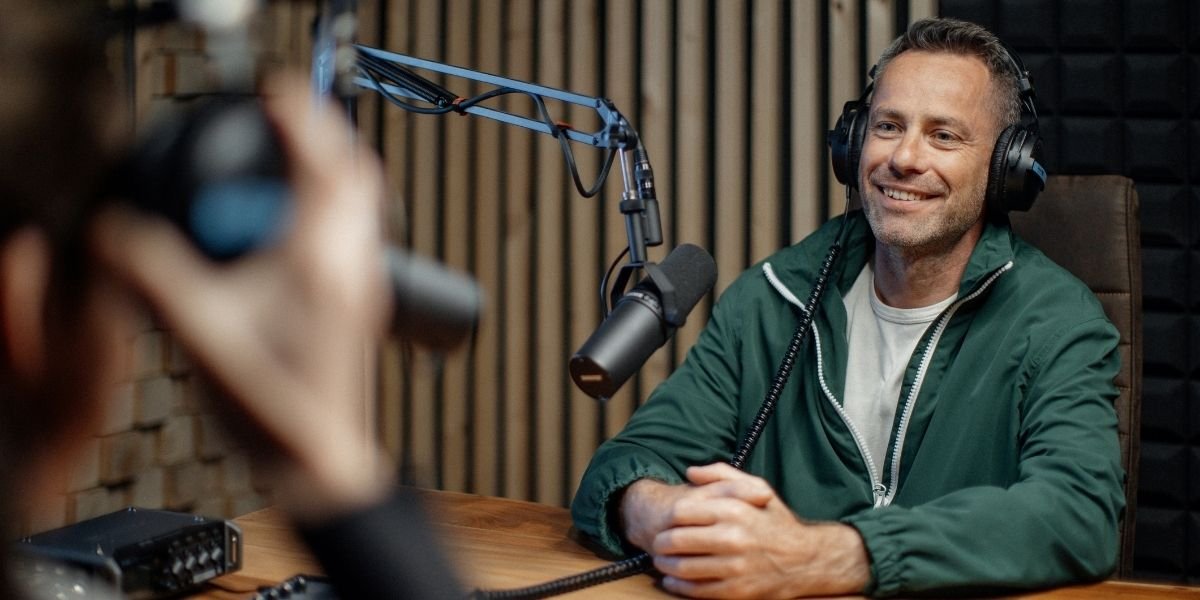
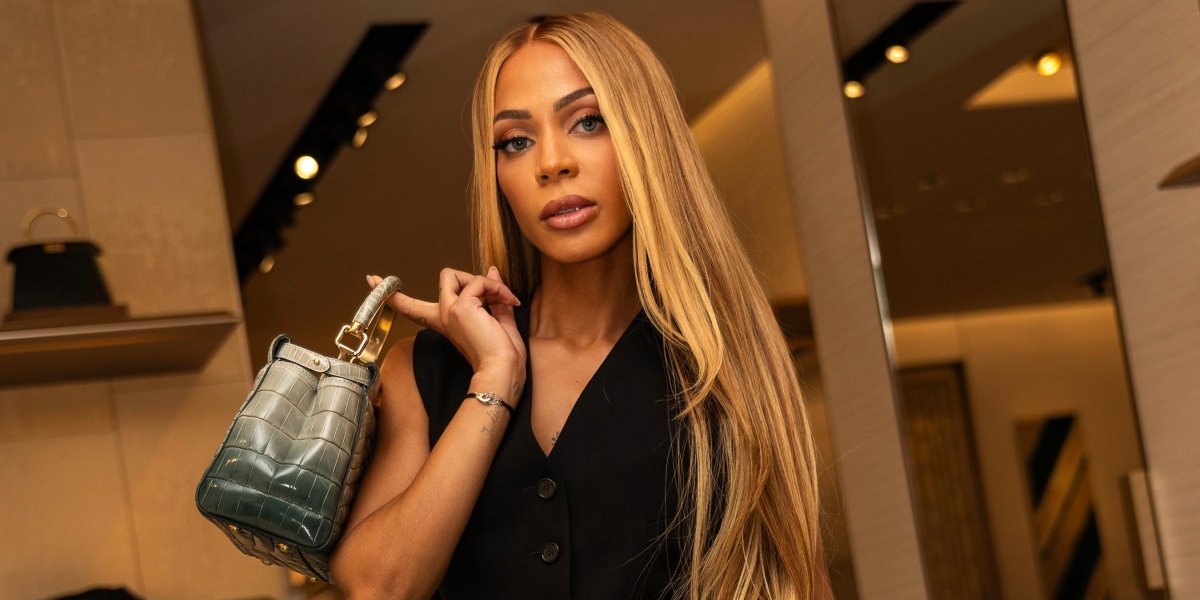
The 2026 U.S. Open credentialed about 100 influencers, nearly twice the number from 2025, giving creators such as Justin Morelli and Alyssa La Spisa access to produce social-first coverage. Their work included interviews, food reviews, fashion challenges and tennis content created across the tournament grounds.
Key Takeaways
- The U.S. Open credentialed about 100 influencers in 2026, compared with 54 in 2025.
- Justin Morelli of The ShotClock returned to cover the tournament with a production team.
- Alyssa La Spisa produced interviews and food-focused content during her credentialed days.
- The USTA said credentialed creators are vetted before acceptance into the program.
- The creator credential program does not provide guaranteed payment or guaranteed content opportunities.
U.S. Open Expands Its Creator Credential Program
The U.S. Open credentialed about 100 influencers for the 2026 tournament, nearly doubling the 54 creators who received credentials in 2025. The credentialed creators were given access to produce content around the tournament for their own social audiences.
The creator access formed part of the tournament’s effort to work with influencers who can produce coverage outside traditional match reporting. The creators profiled included Justin Morelli, the founder and voice of The ShotClock, and lifestyle influencer Alyssa La Spisa.
The USTA vets creators before accepting them into the credential program. The credentials provide access to the tournament grounds, but they do not constitute a paid opportunity and do not guarantee that creators will produce specific content.
The arrangement gives creators the ability to decide which aspects of the tournament fit their individual audiences. Morelli focused on tennis, food, merchandise and fan interactions, while La Spisa centered much of her coverage on food and interviews.
The increase in credentialed influencers also comes as some fans have criticized creator activity at the tournament. Some incidents involved influencers recording content during matches and causing disruptions. The USTA said those incidents were not connected to the official U.S. Open creator credential holders and said measures had been taken to educate new fans about tennis protocols.
The expansion also fits within a creator economy in which digital personalities are taking on more formal media and production roles. Recent coverage has documented creators moving into dedicated production spaces as well as traditional advertising campaigns built around creator-produced footage.
Justin Morelli Produces Social Content With The ShotClock Team
Morelli returned to the U.S. Open with producer Nicholas Costello and videographer Juliana Fromigia to create content for The ShotClock. His team planned ideas before arriving at the tournament but adjusted the schedule based on weather, available activities and opportunities that developed during the day.
Rain affected one of the team’s planned days, with several matches suspended because of bad weather. Morelli, Costello and Fromigia used the interruption to develop a merchandise challenge in which Morelli and Costello each had 10 minutes to find an outfit costing less than $200.
The team then asked fans to rank the outfits from one to 10. The resulting material combined merchandise, fan participation and entertainment into a social video rather than traditional match coverage.
Morelli also produced food content during the tournament. He and Costello reviewed a Salt Hank’s sandwich and gave their assessment of the meal in a video.
The ShotClock team also used access to the practice courts to interview tennis player and part-time hitting partner Elijah Poritzky. Poritzky told Morelli about working with players including Jannik Sinner, Taylor Fritz and Naomi Osaka and serving as a left-handed hitting partner for players preparing for matches.
The production schedule extended beyond individual interviews. Morelli’s team filmed an introduction and a daily recap outside Arthur Ashe Stadium and recorded additional tennis content at the Grandstand.
Morelli said the team’s approach involved testing different ideas rather than committing every piece of content to a fixed format. Content that performed well could receive additional attention, while ideas that did not work could be dropped.
The ShotClock’s approach also reflects the wider range of formats now used by prominent social creators. Recent creator coverage has included social-first personalities whose audiences have expanded through distinctive formats rather than conventional media distribution.
Alyssa La Spisa Builds Coverage Around Fans and Food
La Spisa brought a different editorial focus to her U.S. Open coverage. The lifestyle creator and host of “Where Hot Guys Eat IRL” and “The Perfect Order” built much of her content around food, interviews and people attending the tournament.
Her usual interview format involves scheduling a specific guest. At the U.S. Open, she instead relied on opportunities that developed around the tournament grounds.
La Spisa and videographer Kelly Garcia walked through the grounds looking for stylish tennis fans to interview. The conversations focused on topics including favorite foods and drinks at the tournament and which New York City restaurant the fans would choose for a tennis player.
La Spisa also produced food-related content after attending a food and beverage preview during fan week. The opportunity allowed her to interview four chefs and sample food available at the U.S. Open.
She later filmed a video featuring COQODAQ’s caviar chicken nuggets, known as “The Golden Set,” along with a cookie created by pastry chef Stephanie Prida. The production required adjustments to camera angles and lighting while La Spisa recorded the food segment.
She also received an invitation from Moët to its suite for a Roger Federer-Andy Roddick match and produced content around the company’s Moët Serve drink.
La Spisa said the chef interviews strengthened her content compared with her coverage in 2025 and that the material performed better. The access also gave her opportunities to produce content that would have been difficult to create without the tournament credential.
Creator-led brand content has also expanded beyond individual social posts into larger commercial productions. One recent campaign enlisted 100 creators to produce footage for national television and major social platforms, showing another setting in which creator-produced material can be used beyond a creator’s own feed.
Creator Access Comes With Tournament Rules and Vetting
The U.S. Open creator credential program gives approved influencers access to tournament locations while leaving the creators responsible for deciding how to use that access. The USTA vets applicants before they receive credentials.
The program does not guarantee payment. It also does not require the USTA to guarantee that a creator will produce particular content.
Creators must also operate within tournament rules and tennis protocols. The distinction became relevant after separate incidents involving influencers recording during matches drew criticism from tennis fans.
The USTA said the incidents were not connected to official U.S. Open creator credential holders. The organization also said steps had been taken around the grounds and inside stadiums to educate new fans about tennis protocols and reduce disruptions.
For credentialed creators, the tournament provides an environment where content can be produced from locations and activities that are not normally available to their audiences. Morelli used access for tennis interviews and practice-court coverage, while La Spisa used it for food and fan interviews.
Both creators were scheduled to spend six days at the tournament. Their coverage could include time around the grounds, activities inside Arthur Ashe Stadium and evening sessions, depending on their individual plans.
The credential structure differs from creator work that takes place entirely through a social platform. For example, creators can build large audiences through formats that require no formal event access, including accounts built around city footage and other repeatable short-form concepts.
U.S. Open Creators Use On-Site Access to Build Their Brands
Morelli and La Spisa used their tournament access to produce material that extended beyond match results. Their videos covered food, merchandise, interviews, tennis personalities and fan experiences.
Morelli entered the U.S. Open creator program with The ShotClock, a brand focused on tennis content. He had first pitched himself and the brand to the Grand Slam a year earlier, when the account had a following of about 60,000.
By the 2026 tournament, The ShotClock’s Instagram account had 281,000 followers, while its TikTok account had 123,800 followers and its YouTube channel had 55,400 subscribers.
La Spisa’s audience included 87,400 Instagram followers and nearly 48,000 TikTok followers. Her coverage maintained her established focus on lifestyle and food while using the U.S. Open as the setting.
The creators also approached the tournament differently from conventional sports coverage. Their work depended on short interviews, reactions, food reviews and other material that could be adapted for social platforms.
The tournament access allowed both creators to produce content specifically around their individual brands. Morelli concentrated on tennis and the broader fan experience, while La Spisa incorporated food and lifestyle coverage into her existing content formats.
The U.S. Open creator program therefore provided the access and setting, while the creators determined the subjects, formats and production decisions for their respective audiences.
Frequently Asked Questions
How many influencers received U.S. Open credentials in 2026?
About 100 influencers received credentials for the 2026 U.S. Open. That was nearly double the 54 influencers credentialed in 2025.
Who is Justin Morelli and what is The ShotClock?
Justin Morelli is the founder and voice of The ShotClock, a tennis-focused creator brand. He returned to the U.S. Open with producer Nicholas Costello and videographer Juliana Fromigia to produce social content.
What type of content did U.S. Open creators produce?
The creators produced interviews, food reviews, merchandise challenges, fan content and tennis-related videos. Morelli focused heavily on tennis, food and merchandise, while La Spisa produced lifestyle, food and fan-interview content.
How does the U.S. Open creator credential program work?
The USTA vets creators before accepting them into the program and provides approved creators with access to the tournament. The credentials do not guarantee payment or specific content opportunities.
Is the U.S. Open creator credential program a paid opportunity?
No. The credential program does not provide a paid gig or guarantee that creators will receive payment for their coverage. Creators receive access that they can use to produce content for their own audiences.