Mental health isn’t just trending, it’s essential. For creators juggling brand deals, content calendars, and nonstop audience expectations, the pressure can feel relentless. The hustle is real, but so is the burnout. Whether you’re filming daily vlogs, managing multiple platforms, or constantly reinventing your aesthetic, staying mentally grounded in a high-demand creative career is no longer optional, it’s survival.
The influencer space rewards visibility, consistency, and engagement. But behind the scenes, many creators are quietly struggling with anxiety, fatigue, and emotional overload. The constant need to perform, post, and stay relevant can chip away at mental health, especially when boundaries blur between personal life and public persona. It’s why more creators are speaking up, not just about their wins, but about their breakdowns, therapy sessions, and the reality of managing mental health while staying in the spotlight.
The Pressure to Be “Always On”
In the creator economy, visibility is currency, and that means many influencers feel like they can’t afford to disappear, even for a day. The pressure to be “always on” isn’t just about posting frequently; it’s about staying emotionally available, aesthetically polished, and algorithmically relevant. Whether it’s responding to comments at midnight or filming content during burnout, the grind rarely stops. That constant performance loop can leave creators feeling drained, disconnected, and unsure where their real life ends and their online persona begins.
The fear of losing momentum is real. One missed upload can trigger a dip in engagement, and that dip can affect brand deals, reach, and even self-worth. Creators often talk about the anxiety of watching their metrics fluctuate, likes, views, shares, and how those numbers start to feel personal. It’s not just content fatigue; it’s identity fatigue. When your personality is your brand, taking a break can feel like risking everything you’ve built. That mindset keeps many influencers locked into a cycle of overproduction, even when their mental health is screaming for a pause.
Some creators are starting to push back, reshaping how the industry talks about rest and recovery. They’re sharing raw moments, setting boundaries, and showing that stepping away doesn’t mean stepping down. Those who lead mental health and self-care conversations are helping normalize therapy, digital detoxes, and the idea that influence doesn’t have to come at the cost of wellness. It’s a shift that’s gaining traction, not just among creators, but among audiences who are craving authenticity over perfection.
Still, the pressure lingers. Platforms reward consistency, and the culture of hustle is deeply embedded in influencer spaces. Until algorithms evolve and brands prioritize long-term creator health over short-term output, the expectation to be “always on” will remain a challenge. But the conversation is changing. More influencers are choosing to protect their peace, redefine success, and build careers that prioritize mental health as much as metrics. And that choice, to log off, recharge, and come back stronger, is starting to look like the most powerful flex of all.
Rebuilding Mental Strength After Setbacks
Creative careers come with highs and lows. One viral post can change everything, and one misstep can feel like the end. Whether it’s a brand deal falling through, a public backlash, or just a dry spell in engagement, setbacks hit hard, and they hit personal. Mental health takes a hit when creators tie their worth to metrics, and rebuilding that strength takes more than just a pep talk.
That’s where emotional resilience becomes a game-changer. Creators who focus on building mental strength to cope with setbacks are finding ways to bounce back without burning out. It’s about reframing failure, leaning into support systems, and recognizing that growth doesn’t always look like a follower count. Some are turning to journaling, mindfulness apps, or even offline hobbies to reset their mindset and reclaim their creativity.
Therapy, Boundaries, and the New Normal
Therapy isn’t just accepted in creator culture, it’s becoming part of the brand. More influencers are opening up about their sessions, sharing how mental health support helps them navigate the emotional rollercoaster of digital fame. Whether it’s unpacking burnout, managing anxiety, or setting goals outside of content creation, therapy is helping creators stay grounded in a space that rarely slows down. It’s not a crisis response anymore, it’s a lifestyle choice that’s reshaping how creators define success and stability.
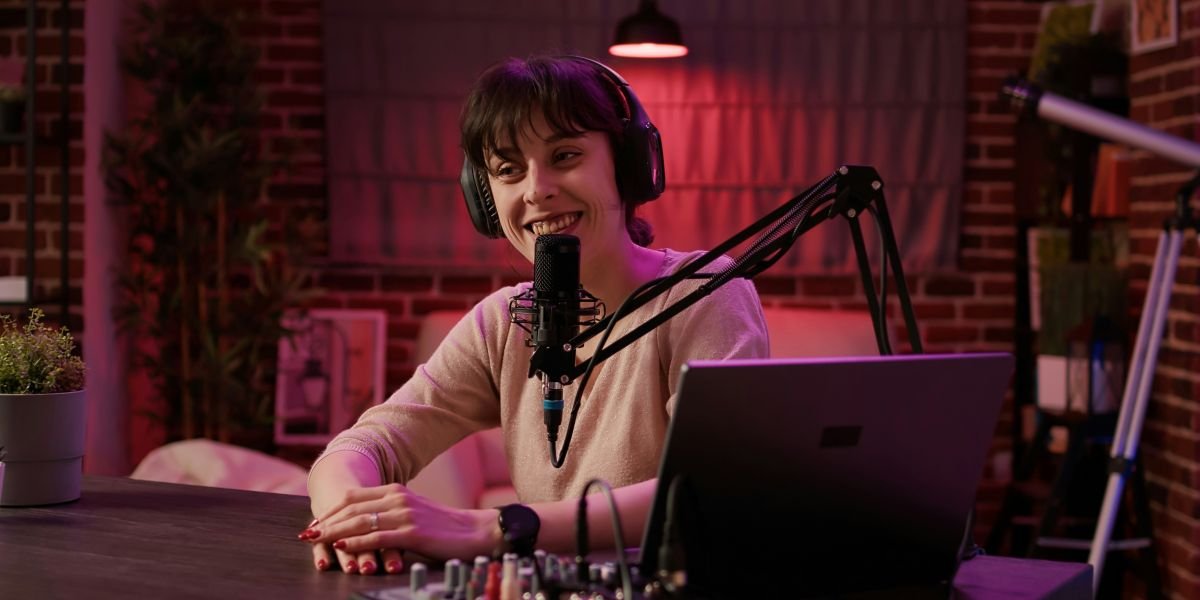
Boundaries are also getting a glow-up. Creators are learning to say no, log off, and protect their energy without guilt. That might mean muting comments, skipping brand campaigns that don’t align, or carving out offline time with zero content pressure. Some are even hiring digital managers to filter requests and manage scheduling, giving them space to breathe. These shifts aren’t just about workflow, they’re about mental health. When creators feel safe and supported, their content gets sharper, their engagement gets deeper, and their burnout risk drops.
This new normal isn’t about stepping away from the spotlight, it’s about reshaping it. Influencers are proving that you don’t have to be constantly available to stay relevant. By prioritizing therapy, setting boundaries, and redefining what “success” looks like, they’re building careers that feel sustainable, not just viral. And as more creators share their mental health journeys, they’re giving permission for others to do the same, turning vulnerability into visibility, and wellness into influence.
Why Mental Health Is the New Metric
In a culture obsessed with analytics, mental health is emerging as the metric that matters most. Engagement rates and brand deals mean nothing if creators are emotionally drained. The industry is starting to recognize that sustainable success requires more than strategy, it requires self-awareness. Creators who prioritize mental health are building careers that last, not just ones that trend.
The conversation is evolving, and it’s happening in real time. From TikTok therapists to YouTube confessionals, mental health is no longer a side note, it’s the headline. And as more influencers share their stories, the message is clear: creative success and emotional wellness can coexist. It just takes intention, support, and the courage to say, “I need a break.”