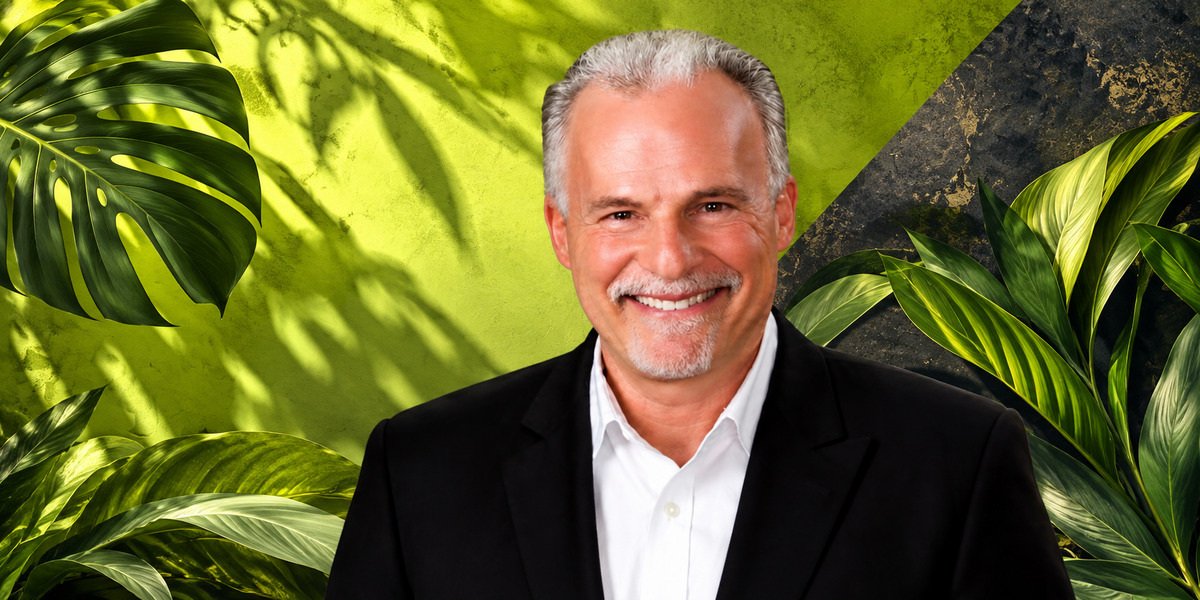

Brands are organizing creator marketing around two commercial approaches: major partnerships with prominent personalities and distributed campaigns involving smaller influencers. Portal A co-founder and president Zach Blume discussed the distinction in an October 13, 2026, interview, explaining how advertisers are adopting different partnership structures to reach audiences and develop branded content.
Key Takeaways
- Major creator partnerships can involve long-term sponsorships, branded integrations and collaborative campaign development
- Smaller creators provide access to niche audiences through distributed advertising campaigns
- Portal A co-founder and president Zach Blume identified the distinction between integrated creative partnerships and media-buying arrangements
- Brands can combine both models within a broader marketing strategy
Creator Economy Business Models Divide Around Campaign Structure
The distinction between the two creator economy business models centers on how brands work with creators and distribute advertising. One approach treats prominent personalities as creative partners, while the other uses multiple smaller creators to reach audiences across different communities.
Blume compared these arrangements to established media-buying practices. Major creators can participate in partnerships resembling large media sponsorships, while micro- and nano-influencers can serve as individual distribution channels within a broader advertising strategy.
The difference affects how campaigns are developed. Integrated partnerships require closer coordination around creative concepts and the creator’s public identity. Distributed campaigns involve selecting multiple participants, organizing content delivery and evaluating results across different audiences.
Blume emphasized that the approaches are not mutually exclusive. Brands can invest in a major creator partnership while using smaller influencers to extend campaign reach.
Major Brand Partnerships Center on Prominent Creators
Large-scale creator partnerships extend beyond conventional sponsored posts. Advertisers may collaborate with established personalities on branded integrations, extended sponsorships and campaigns developed around a creator’s identity and content style.
In these arrangements, creators can contribute to campaign concepts rather than simply publishing material prepared by advertisers. This reflects the expanding role of creators in campaign strategy, with brands involving selected influencers in creative planning, audience engagement and broader marketing decisions.
Prominent personalities also provide access to established audiences and recognizable content formats. Their participation can influence how a campaign is presented, particularly when the creative concept depends on the creator’s existing relationship with viewers.
These partnerships may involve multiple deliverables, production responsibilities and coordinated appearances across platforms. The commercial structure depends on the scope of the collaboration and the responsibilities assigned to the creator.
For advertisers, the arrangement requires alignment between the campaign’s objectives and the creator’s established content identity. Creative input, audience relevance and partnership duration can all influence how the agreement is structured.
Smaller Creators Offer Access to Niche Audiences
The second model involves working with multiple smaller creators to distribute advertising across different audience groups. Rather than concentrating a campaign around one personality, brands can select influencers whose communities align with particular interests or consumer categories.
Blume compared this approach to a media buy involving smaller publishers. Each creator provides access to a specific audience, allowing advertisers to organize campaigns across multiple accounts and communities.
Brands are also expanding participation through creator programs for nano-influencers, including initiatives that offer product incentives, affiliate opportunities and rewards for branded content. These programs differ from conventional paid media placements but demonstrate how companies are developing relationships with smaller creators.
Distributed campaigns require coordination across several participants. Advertisers must establish content requirements, manage publication schedules and assess how individual placements contribute to campaign objectives.
Audience composition and relevance remain important considerations. Smaller creators may serve highly specific communities, but campaign performance depends on factors such as content quality, engagement and alignment with the intended audience.
For creators, these arrangements provide opportunities to participate in brand campaigns without the audience scale typically associated with major online personalities.
Brands Apply Different Strategies to Creator Campaigns
The choice between an integrated partnership and distributed media buying depends on the campaign’s objectives.
A brand developing a central creative concept may involve an established personality throughout production. A campaign focused on reaching several audience segments may instead work with multiple smaller creators whose communities reflect different interests.
These arrangements also require different methods of evaluation. Major partnerships can be assessed through creative output, audience response and the results of a broader brand campaign. Distributed campaigns may place greater emphasis on individual placements, engagement and combined audience reach.
Follower counts provide one measure of scale but do not fully explain a creator’s contribution. Advertisers must also consider audience demographics, content formats, creative participation and the intended role of each partnership.
Brands using both approaches can assign distinct responsibilities. A prominent creator may participate in developing a central campaign concept, while smaller influencers distribute related content to additional communities.
Portal A Executive Explains the Evolving Creator Market
Blume’s comparison reflects how creator marketing is adopting structures familiar from traditional advertising. Major personalities can function as creative collaborators, while smaller creators may provide targeted distribution within larger media plans.
Portal A operates in creator-led production and branded content, working with advertisers on campaigns involving online personalities. Blume described large creator partnerships as deeper creative relationships rather than simple purchases of advertising space.
He also identified influencer marketing agencies that organize campaigns across numerous creators, comparing their operations to media agencies that coordinate advertising placements across multiple channels.
The two models represent different ways of purchasing creative work and audience access. Their continued use depends on how advertisers allocate budgets, define creator responsibilities and assess campaign performance.
Frequently asked questions
What are the two main creator economy business models?
The two approaches are integrated brand partnerships with prominent creators and distributed media buys involving smaller influencers. They differ in how creative responsibilities, advertising placements and audience reach are organized.
How do brands work with prominent creators?
Brands can collaborate with established personalities on extended sponsorships, branded integrations and campaign concepts. These partnerships may involve creative development alongside content production and publication.
How do micro-influencers support brand marketing campaigns?
Micro-influencers provide access to specific audience communities. Advertisers can work with multiple smaller creators to distribute content across different segments and evaluate the results of individual partnerships.
What role does Portal A play in creator marketing?
Portal A works in creator-led production and branded content. Its co-founder and president, Zach Blume, has discussed how advertisers structure major creator partnerships and distributed media-buying campaigns.
Can brands use large creators and micro-influencers in the same campaign?
Yes. Brands can involve a prominent creator in developing a central campaign concept while working with smaller influencers to distribute related content across additional audience groups.