By: Jenny Rasmun
In today’s evolving healthcare landscape, where innovation and empathy must go hand in hand, few fields are experiencing as much transformation as oral and maxillofacial surgery (OMS). While traditionally focused on procedures like wisdom teeth or implants, OMS is now emerging as a key player in integrated, high-stakes surgical care for both adults and children.
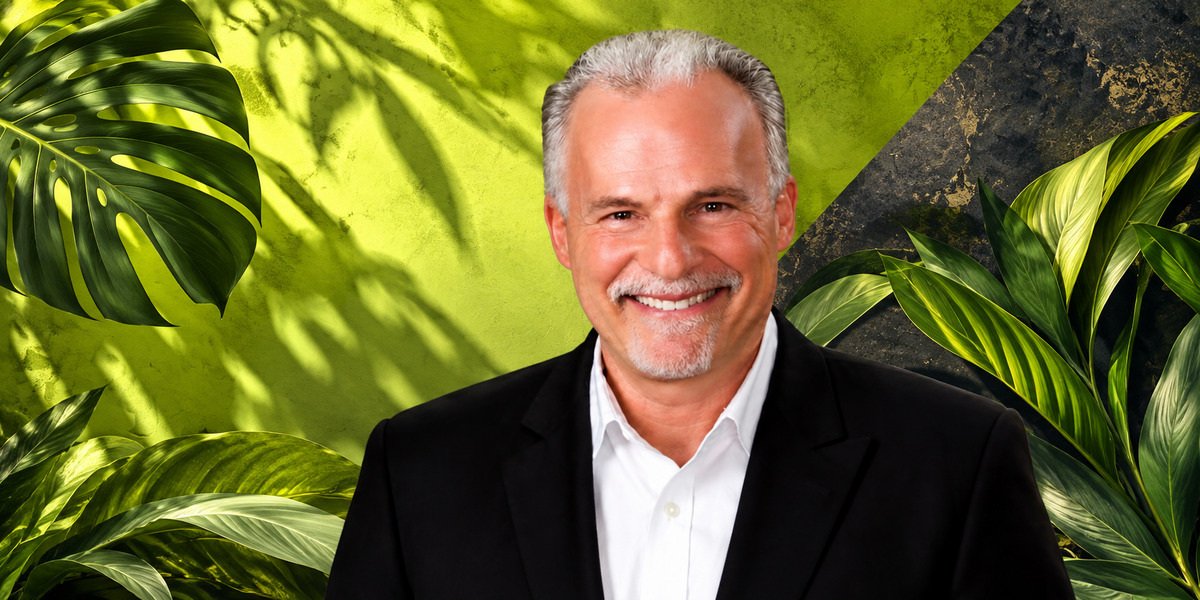
Dr. Harshiv J. Vyas, a board-certified oral and maxillofacial surgeon and Fellow of the American College of Surgeons, is among those helping to reshape the role of the specialty. In his presentation to the Chicago Dental Society, “Contemporary Management of the Adult and Pediatric Oral & Maxillofacial Surgical Patient,” Dr. Vyas outlines a forward-thinking, patient-centered approach to treating complex surgical cases with precision, compassion, and an increasing reliance on advanced techniques.
A Dual Focus: Adults and Children Require Different Surgical Philosophies
Pediatric cases present unique challenges—both technically and emotionally. From airway considerations to growth implications, pediatric maxillofacial surgery requires a significantly different mindset.
“Pediatric patients aren’t just smaller adults,” Dr. Vyas explains. “Their surgical needs often must be tailored to growth patterns, behavioral needs, and parental involvement.”
This aligns with trends in pediatric surgical care that emphasize the need for multidisciplinary collaboration and developmental sensitivity. A 2023 study in the Journal of Pediatric Surgery reinforced this approach, suggesting that long-term skeletal outcomes in children may depend not only on surgical skill but also on preoperative planning and postoperative adaptation to growth milestones.
Surgical Decision-Making Is Evolving—So Is the Pre-Op Process
One of the central points in Dr. Vyas’s framework is the role of preoperative decision-making, not just as a logistical step, but as a clinical inflection point.
“We’re seeing greater precision in how we choose the right time and the right surgical approach,” Dr. Vyas notes. “That applies to orthognathic surgery, trauma, and even pathology cases.”
Indeed, artificial intelligence is being increasingly used to support surgical planning. In one recent study published in the British Journal of Oral and Maxillofacial Surgery, AI-driven systems for cephalometric analysis demonstrated accuracy rates exceeding 90% in predicting surgical movement outcomes, particularly in orthognathic surgery, where millimeter-level decisions matter.
This can contribute to better results and may help strengthen surgeon and patient confidence alike.
The “Why” Behind Surgery: Patient Education and Confidence
Despite these advances, one of the persistent challenges oral and maxillofacial surgeons face is hesitancy—patients are uncertain if surgery is worth the recovery, risk, or cost.
“Surgery is frequently the right solution, but patients aren’t always sure,” Dr. Vyas explains. “My job is to help them understand when and why it’s often the ideal option, not just for aesthetics, but for form, function, and quality of life.”
This belief is integral to his larger message: it’s not just about learning the technical steps of a procedure. It’s about how to talk to patients—especially parents of pediatric patients—about what surgical success can mean, and how it might change lives.
A 2022 study in BMJ Open found that oral surgery patients who received in-depth consultations about surgical rationale and alternatives reported generally higher satisfaction and lower preoperative anxiety.
What Makes a Contemporary OMS Leader?
Dr. Vyas’s dual roles—as a private practice owner and attending surgeon at NorthShore University Health System and Advocate Lutheran General Hospital—give him a wide-ranging clinical perspective. He treats routine dentoalveolar cases and consults on complex facial surgeries, sometimes in the same week. This range has helped refine his ability to make informed decisions, educate patients thoroughly, and adapt techniques to different settings.
His lecture encourages practitioners to become comprehensive thinkers: clinicians who not only know how to operate but also how to engage patients, interpret trends in AI, and navigate the ethical dimensions of surgical timing and intervention.
The Bottom Line: Confidence Is the Future of Surgery
Whether in adult or pediatric oral and maxillofacial surgery, Dr. Vyas advocates for a future in which oral and maxillofacial surgeons are increasingly confident, data-driven, and patient-focused.
That confidence doesn’t come from ego, he emphasizes, but from training, collaboration, and the ability to make decisions supported by data and guided by compassion.
The call to action is clear: modern surgeons should strive to master not only their clinical tools but also the systems, technologies, and human relationships that shape today’s surgical experience.
Oral and maxillofacial surgery is no longer just about fixing problems—it’s about supporting long-term health, trust, and outcomes. And if leaders like Dr. Vyas are any indication, that future appears to be already underway.
Disclaimer: The information provided in this article is intended for general informational purposes only and does not constitute medical advice. Readers should consult with a qualified healthcare professional for personalized medical advice and treatment options.
Published by Joseph T.