
By: JJ Simon
Can you introduce yourself and share a bit about your background in cloud security?
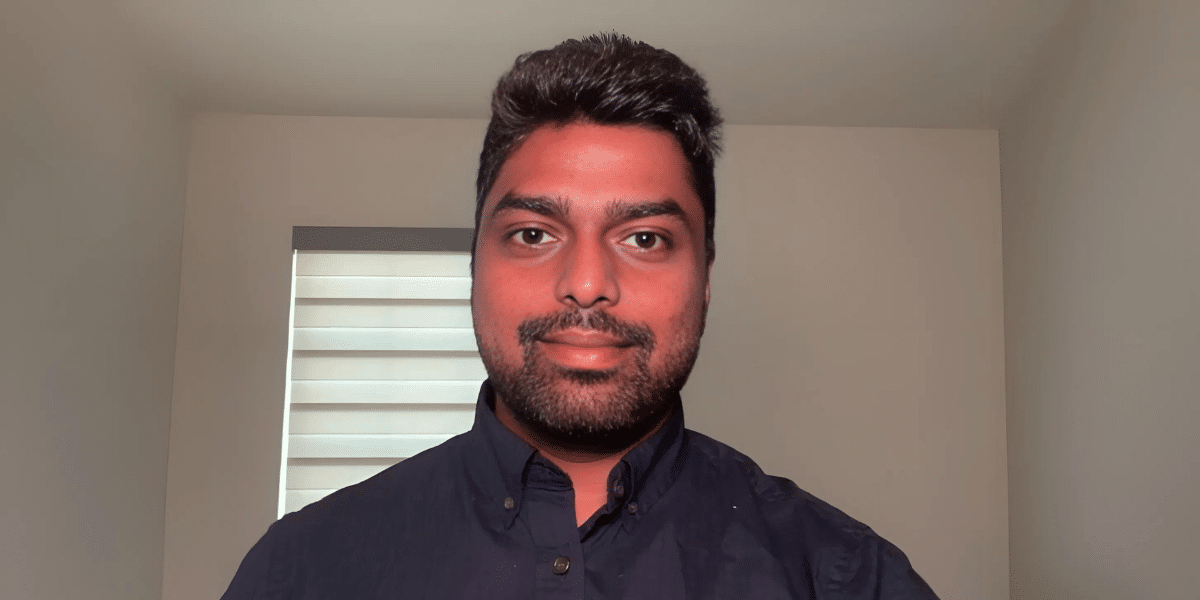
Rajashekar Yasani: I am Rajashekar Yasani, currently working as a Senior Cloud Security Engineer with nearly ten years of experience in the cybersecurity space. My career has involved securing cloud environments, focusing on cloud-native security, and building scalable detection and response systems. I’ve worked across various industries, helping organizations improve their cloud security posture. I’m also actively involved in the cybersecurity community through memberships with CSA, ISACA, and CIS. I’m also honored to have been recognized by Thinker360 for my accomplishments, which reflect my continuous efforts in contributing to the field. Additionally, I actively mentor new professionals and share insights on cloud security trends and practices.
With your experience, what are the key security challenges organizations face when securing cloud infrastructure at scale?
Rajashekar Yasani: One of the biggest challenges is visibility. As organizations scale up their cloud usage, they often end up with multi-cloud environments and a complex mesh of services. Ensuring that there’s centralized visibility and control across these environments can be daunting. Another challenge is managing identities and access. The more services and users you have, the harder it becomes to implement least-privilege access, monitor permissions, and quickly identify potential insider threats or privilege escalation.
How do you recommend organizations overcome these challenges?
Rajashekar Yasani: A combination of people, processes, and technology is key. For visibility, using centralized logging and monitoring solutions is critical. Automation is equally important. Infrastructure-as-Code (IaC) and policy-as-code should be embedded into the deployment pipelines so security isn’t an afterthought.
From a process perspective, implementing a well-defined cloud security strategy with clear ownership and security guardrails for development teams is vital. Also, regular training and awareness programs ensure that everyone in the organization understands the shared responsibility model in the cloud.
Can you talk about some of the proactive measures companies should take to prevent common cloud security pitfalls?
Rajashekar Yasani: One of the first measures is to implement a robust tagging strategy and make sure all assets are properly tagged. This helps with asset management and tracking resources, which is crucial at scale. Another proactive approach is to adopt a zero-trust model. This means implementing strong identity controls, validating each access request, and not assuming trust even within internal networks.
Organizations should also prioritize encryption for both data at rest and in transit and establish a process for continuous vulnerability scanning and remediation. Finally, cloud misconfigurations are a leading cause of breaches, so automated compliance checks and misconfiguration detection tools should be standard.
With high-profile breaches at companies like Uber, Capital One, and Twilio, what lessons can we learn to improve cloud security?
Rajashekar Yasani: These incidents highlight the importance of identity and access management (IAM) and secure configurations. In each case, attackers exploited misconfigurations, overly permissive access, or compromised credentials to gain entry. The key takeaway is to implement the principle of least privilege, use multi-factor authentication (MFA) wherever possible, and continuously monitor for abnormal behavior. Regularly auditing IAM policies, using automated security tooling, and adopting a zero-trust approach are essential steps to mitigate similar risks in cloud environments.
With companies like Capital One facing an $80 million fine, British Airways fined £20 million, and Marriott International penalized £18.4 million for cloud security breaches, what do these incidents reveal about the current regulatory landscape?
Rajashekar Yasani: These fines indicate a clear message from regulators: cloud security is not optional, and organizations must take accountability for protecting sensitive data. The penalties highlight the critical need for companies to ensure their cloud environments are properly configured and compliant with industry standards. It also shows that regulators are increasingly scrutinizing cloud security practices, with a focus on data protection, identity management, and breach preparedness.
For companies, this means investing in continuous compliance, implementing strong cloud governance, and staying ahead of evolving regulatory requirements to mitigate the risk of severe financial penalties and reputational damage.
Given the rapid pace of cloud adoption and innovation, how do you stay up-to-date with the latest developments in cloud security?
Rajashekar Yasani: Staying updated in this field requires a multi-faceted approach. I regularly engage with the cloud security community through groups like CSA and attend security conferences, webinars, and workshops. I also follow industry publications and research articles to keep track of the latest trends and practices. Additionally, I contribute back to the community by writing articles, creating open-source tools, and mentoring other professionals, which helps reinforce my own knowledge and gain new perspectives.
What are your thoughts on automation and AI in cloud security? Are they game-changers?
Rajashekar Yasani: Absolutely, automation and AI are game-changers, especially at scale. Automation helps in rapidly detecting and responding to threats that would otherwise require a lot of manual intervention. Tools like AWS Lambda can automate remediation tasks, and AI-driven anomaly detection helps in spotting patterns that might be missed with traditional rule-based systems.
What advice would you give to professionals looking to specialize in cloud security?
Rajashekar Yasani: Start by mastering the fundamentals of cloud platforms like AWS, Azure, or GCP. Certifications like AWS Certified Security Specialty or Google Professional Cloud Security Engineer can be a great start. Beyond certifications, focus on understanding cloud-native security services, IAM practices, and hands-on labs to build your technical expertise.
Additionally, I’d recommend getting involved in the security community, contributing to open-source projects, and building a portfolio that demonstrates your problem-solving abilities. Cloud security is a constantly evolving field, so always be curious and stay open to learning.
I also mentor new professionals entering the cloud security space — feel free to reach out to me on LinkedIn if you’d like guidance or support.
When you’re not securing the cloud, what hobbies do you pursue?
Rajashekar Yasani: I’m a passionate photographer and love spending my free time capturing landscapes and wildlife. I also enjoy cricket, which is a great way to unwind and stay active. Apart from that, I like reading up on the latest tech and security trends, which often sparks new ideas for my articles and tutorials.
Thank you for sharing your insights, Rajashekar. It was a pleasure speaking with you!
Rajashekar Yasani: Thank you! It was a pleasure being here.
Published by: Khy Talara