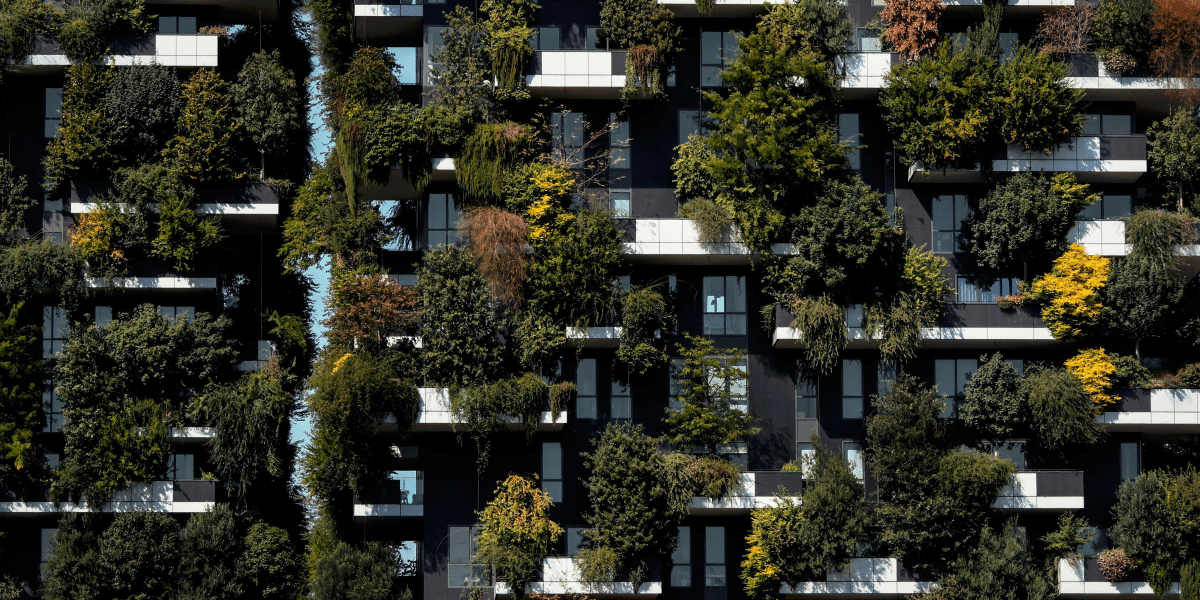

Sustainable urban development is paramount in today’s rapidly growing cities, where the balance between growth and environmental preservation is critical. Key strategies such as green infrastructure, sustainable transportation, and energy-efficient buildings are increasingly being integrated into urban planning to foster healthier, more sustainable environments. These methods not only mitigate the harmful impacts of urban sprawl but also offer significant economic and social benefits.
Androsky Lugo identifies sustainable urban environments by examining various successful global examples and future trends, making it clear that they are not only feasible but also essential for the long-term prosperity and health of urban populations.
Understanding Eco-Friendly Urban Development
Eco-friendly urban development is essential as cities around the world face the dual challenges of population growth and environmental sustainability. This approach involves creating and enhancing urban areas with a minimal environmental footprint, focusing on the efficient use of resources and the well-being of inhabitants. This concept has evolved significantly over the past decades, driven by the urgent need to address the adverse effects of traditional urbanization, such as pollution and excessive energy consumption.
Urban development has historically been associated with extensive environmental degradation, from air and water pollution to land overuse and ecosystem disruption. These challenges highlight the importance of integrating sustainable practices in city planning and management.
As urban populations continue to expand, the pressure on infrastructure and the environment increases, making sustainable development not just beneficial but necessary.
The shift toward eco-friendly urban development is marked by innovative planning that includes the adoption of green technologies and strategies aimed at reducing cities’ carbon footprint. This involves everything from energy-efficient building designs to the implementation of extensive public transport systems that discourage heavy reliance on private vehicles; by rethinking how cities are built and function, urban planners are setting new standards for sustainability that could serve as benchmarks for future developments worldwide.
Innovative Strategies in Urban Planning
Urban planning today increasingly incorporates innovative strategies designed to foster sustainable living conditions. This includes the deployment of green infrastructure, which supports the natural ecosystem while providing essential services to urban residents.
Techniques such as rooftop gardens, permeable pavements, and urban forests not only enhance the city’s aesthetic appeal but also play critical roles in stormwater management, reducing urban heat islands and improving air quality.
Another cornerstone of modern urban planning is the development of sustainable transportation solutions. The expansion of public transit systems, the promotion of cycling and walking, and the integration of electric vehicle infrastructure all contribute to reducing the dependency on fossil fuels. These measures not only help reduce greenhouse gas emissions but also create more livable urban environments that promote health and wellness among city dwellers.
Energy-efficient building technologies are also pivotal, involving advanced materials and more intelligent design practices that significantly lower energy consumption. Innovations such as smart glass, green insulation, and energy management systems are becoming standard features in new developments.
These technologies not only mitigate the impact of urban development on the climate but also offer long-term economic benefits by reducing operating costs.
Real-World Applications and Success Stories
Cities around the globe are embracing these innovative approaches with notable success. In Scandinavia, urban centers are renowned for their extensive use of green roofs and efficient public transportation networks. These cities have become models of sustainability, often cited in discussions about combating urban sprawl and reducing carbon footprints.
Similarly, in Asia, metropolitan areas like Singapore have implemented cutting-edge building technologies that maximize energy efficiency, even in high-density settings.
Urban centers are not only adopting singular strategies but are integrating multiple approaches to create comprehensive sustainable environments. For instance, a city in the Netherlands has transformed its transportation landscape by prioritizing bicycle lanes, significantly reducing vehicular traffic and its associated pollutants. Meanwhile, in North America, some cities have revitalized their districts through green infrastructure projects that restore natural waterways and create recreational spaces, enhancing community well-being and biodiversity.
These examples underscore the practical applications and successes of innovative urban planning strategies. They illustrate how thoughtful, multi-faceted approaches can effectively address the complex challenges of modern urban development, paving the way for a more sustainable and prosperous future for urban dwellers worldwide.
Advantages of Sustainable Urban Environments
The benefits of sustainable urban environments extend beyond environmental conservation to include economic gains and improved social health. Cities that embrace sustainable practices often see a reduction in healthcare costs due to improved air and water quality and increased green spaces, which enhance the mental and physical health of residents.
Economically, these cities benefit from greater efficiency in resource use and lower operational costs in the long term, contributing to a more robust local economy.
Moreover, the integration of sustainable practices in urban areas fosters a sense of community and well-being among residents. Enhanced public spaces and cleaner environments encourage more social interaction and outdoor activities, which are vital for mental health. This holistic approach to urban planning creates more inclusive and livable cities that cater to the needs of all residents, not just a select few.
The Future of Urban Development
Looking ahead, the future of urban development appears increasingly green. Technological advancements such as AI-driven intelligent city solutions and next-generation renewable energy technologies are set to redefine urban living. These innovations promise to make cities more sustainable and efficient, drastically reducing their ecological footprint while improving the quality of life for residents.
Emergent trends in urban development also include the growing adoption of vertical farming and the expansion of digital infrastructure, enabling more resilient and self-sufficient cities.
As research continues, the potential for new sustainable technologies and practices seems limitless, promising a future where urban environments can thrive without compromising the planet’s health or human well-being.
Implementing Change in Urban Development
To achieve sustainable urban development, a multifaceted approach involving policy reform, community engagement, and education is essential. Policymakers play a crucial role in creating frameworks that encourage sustainable practices, such as incentives for green building or penalties for excessive waste. At the same time, engaging the community in these efforts ensures that the initiatives are well-supported and effective, fostering a culture of sustainability.
Educational programs that raise awareness about the benefits of sustainable urban living can empower individuals to make informed choices that support this vision. Additionally, providing resources and training for developers and urban planners can facilitate the widespread adoption of sustainable practices, making eco-friendly urban development the norm rather than the exception.
This comprehensive strategy ensures that sustainable urban planning is not just a concept but a practical reality that enhances the lives of urban populations.
Published by: Martin De Juan