Omnichannel is the strategy behind how today’s most influential brands stay visible, clickable, and shoppable across every platform. It’s what turns a swipe on Instagram into a sale, a TikTok trend into a product drop, and a viral moment into long-term loyalty. In a digital-first world where attention is currency, omnichannel isn’t optional, it’s the baseline.
Scroll through any feed and the pattern is clear. A creator tags a skincare brand in a GRWM video, the product link appears in the caption, and within seconds, viewers are browsing the site. That kind of frictionless flow is what omnichannel is built to support. It’s not about being everywhere, it’s about making every interaction feel connected.
Why Omnichannel Is the New Standard
The old-school approach of separating social media, e-commerce, and in-store experiences doesn’t reflect how people shop anymore. Consumers expect consistency, whether they’re browsing from their phone at midnight or walking into a store on a weekend. Omnichannel bridges those gaps, keeping the vibe and messaging aligned across every touchpoint.
Brands that embrace this approach are seeing results. QR codes in dressing rooms link to styling videos, pop-ups mirror the brand’s Instagram aesthetic, and mobile checkout options replicate the online experience. These moves create a loop where discovery, engagement, and purchase flow naturally.
Even smaller businesses are adapting quickly. A boutique might tease new arrivals on Instagram Stories, link to its online store, and offer same-day pickup, all within a single scroll. That kind of agility builds trust and keeps followers engaged.
Social Media’s Role in Omnichannel Growth
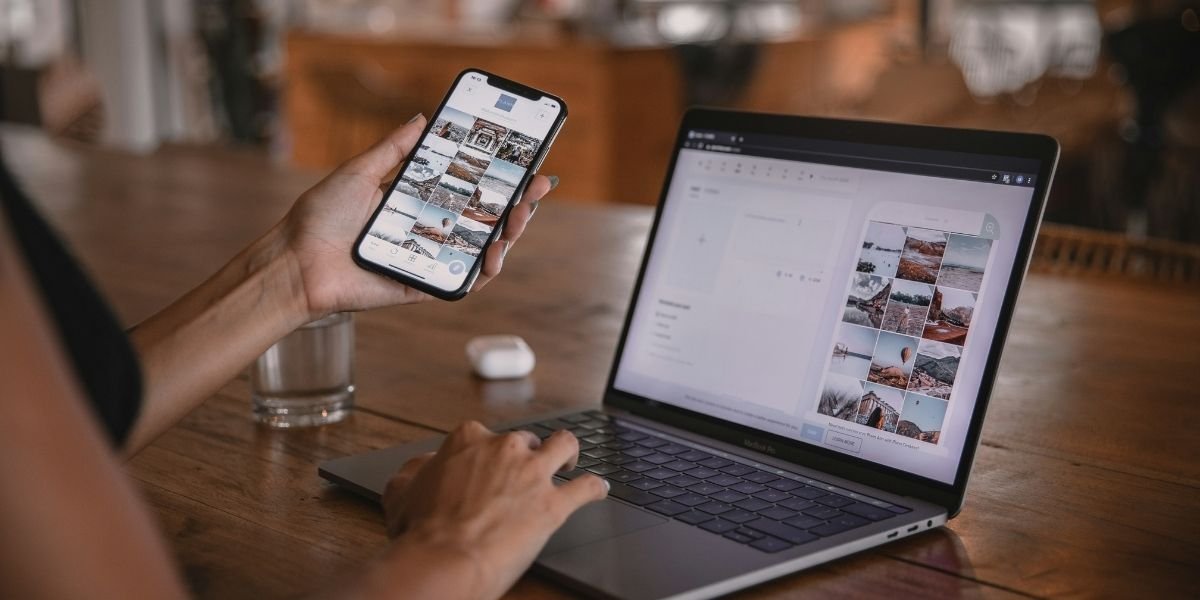
Social platforms have evolved into full-blown shopping hubs. Instagram Shops, TikTok Shop, and Facebook Marketplace have made it easier to turn content into conversions. The strength of omnichannel lies in how these platforms connect to the broader customer journey.
Brands that succeed in this space don’t just post, they build systems. A product featured in a TikTok might be retargeted through display ads and followed up with a curated email. This kind of coordination keeps messaging consistent and the experience seamless.
Some platforms are simplifying the process. One ad tech engine is helping brands deliver personalized ads across multiple channels, streamlining omnichannel campaigns and reducing complexity. This innovation supports creators and marketers who want to scale without losing authenticity. That’s the kind of approach seen in the way some companies are streamlining omnichannel ads to meet audiences where they already spend time.
Fashion brands are leading the way. By showcasing how real people wear their pieces on social media and linking directly to e-commerce pages with smart recommendations, they create a responsive shopping experience. Some even update product descriptions based on feedback from social comments, making the journey more intuitive.
E-Commerce Gets Smarter With Omnichannel
E-commerce is no longer a standalone experience. When integrated into an omnichannel strategy, it becomes more personalized and effective. If someone adds sneakers to a cart but doesn’t check out, they might later see a creator wearing the same pair in a sponsored post. That loop is powered by omnichannel thinking.

Fashion retailers are using virtual try-on tools, AI-powered recommendations, and influencer content to guide shoppers from scroll to sale. A recent feature explored how technology is enhancing the fashion retail experience, especially when used to connect online and offline touchpoints. These tools aren’t just trendy, they’re practical. That’s the kind of innovation seen in how some brands are enhancing customer experience through tech-powered omnichannel strategies.
Some brands have embraced this model by syncing their social content with e-commerce updates, ensuring that product availability and messaging stay aligned. This kind of integration helps reduce friction and increase conversions.
Challenges Behind the Scenes
Implementing omnichannel strategies comes with challenges. Syncing data across platforms, managing inventory in real time, and maintaining a consistent brand voice can be complex. Smaller brands often struggle with attribution, identifying which channel drove the sale, and with the cost of integrating new tools.
Despite these hurdles, the benefits are clear. Brands that invest in omnichannel often see stronger engagement, better retention, and higher lifetime value. The experience feels more personal, even when powered by automation.
Some companies are addressing these issues with centralized systems that unify campaigns. One platform is helping brands avoid duplicate messaging and maintain consistency across YouTube, Instagram, and other channels. This support allows creators and marketers to focus on audience connection.
Omnichannel and Influencer Culture
Omnichannel strategies align naturally with influencer culture. They reflect how people move through digital spaces and expect interactions to feel intentional. For creators, it means building content that entertains and converts. For brands, it means showing up consistently across every touchpoint.
This shift is especially relevant in entertainment-driven markets, where speed and authenticity matter. Brands that understand this are building systems that don’t just sell, they engage and adapt.
Across the U.S., omnichannel is becoming the blueprint for digital-first growth. It’s not about being everywhere, it’s about being seamless everywhere. That consistency turns casual interest into lasting connection, keeping audiences engaged and brands ahead of the curve.